Maintaining proper water chemistry in a hot tub can feel like a never-ending chore. Testing pH levels, adding chlorine, and balancing sanitizers takes time most people would rather spend relaxing in warm water.
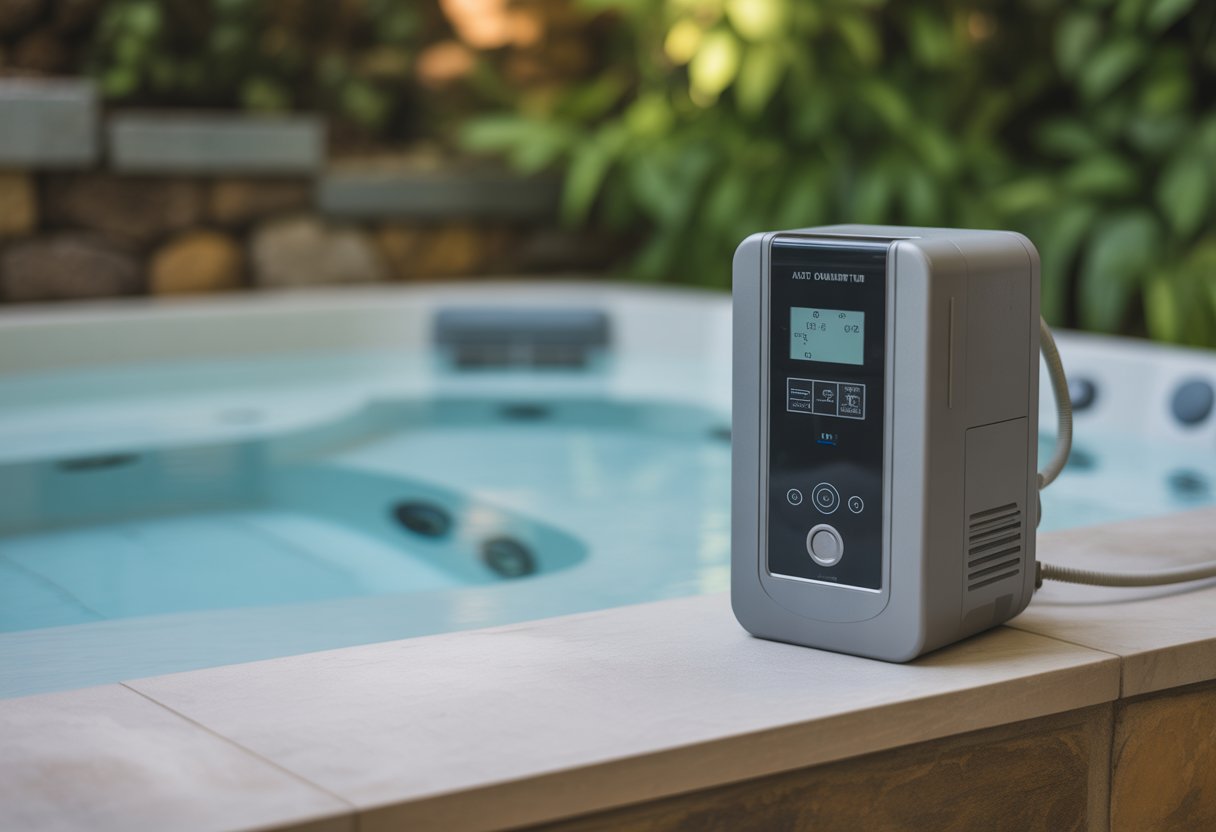
An automatic hot tub chemical monitor and dispenser eliminates the guesswork by continuously testing water chemistry and adding the right chemicals at the right time. These smart systems work around the clock to keep water clean and balanced. Hot tub owners can finally enjoy their spa without constant maintenance worries.
Modern chemical monitoring systems use advanced sensors to track pH, sanitizer levels, and other key factors. The technology automatically dispenses precise amounts of chemicals when needed. This article explores how these systems work, what to look for when choosing one, and tips for keeping the equipment running smoothly.
How Automatic Hot Tub Chemical Monitor and Dispenser Systems Work
These systems use digital sensors to continuously test water chemistry and automatically add the right amount of chemicals. They monitor chlorine levels, pH balance, and sanitizer concentration while dispensing treatments as needed.
Core Functions and Technology
Digital sensors measure water chemistry every few minutes throughout the day. The main control unit processes this data and compares it to pre-set target ranges.
Most systems include pH sensors and ORP (oxidation-reduction potential) sensors. The ORP sensor detects sanitizer effectiveness rather than just measuring chemical amounts. This gives a more accurate picture of water quality.
When levels fall outside the target range, the system activates chemical pumps. These pumps draw from separate chemical containers and inject precise amounts into the water circulation system.
Smart connectivity allows remote monitoring through smartphone apps. Users can check water status, adjust settings, and receive alerts about low chemical supplies or system maintenance needs.
The control unit typically mounts near the hot tub equipment area. Chemical containers connect through tubing that runs to injection points in the plumbing system.
Monitoring Sanitizer and Chlorine Levels
The ORP sensor continuously tracks sanitizer effectiveness in the water. This measurement tells the system whether there’s enough active sanitizer to kill bacteria and viruses.
Target ORP levels typically range from 650 to 750 millivolts for hot tubs. When readings drop below this range, the system automatically dispenses chlorine or bromine sanitizer.
pH sensors work alongside ORP monitoring because pH affects sanitizer performance. If pH rises above 7.6, chlorine becomes less effective even at proper concentrations.
The system adjusts both chemicals in the correct sequence. pH correction happens first since proper pH levels allow sanitizers to work efficiently. This prevents chemical waste and maintains consistent water quality.
Most units can handle liquid chlorine, granular chemicals through dissolving chambers, or mineral sanitizer cartridges depending on the model.
Water Care Automation Benefits
Automated systems eliminate daily water testing with test strips or liquid test kits. They maintain consistent chemical levels without constant manual adjustments.
Chemical efficiency improves significantly because the system adds small amounts frequently rather than large doses weekly. This approach prevents chemical spikes that can irritate skin or damage equipment.
Water stays balanced continuously rather than swinging between safe and unsafe levels. Hot tub owners spend less time on maintenance and more time enjoying their spa.
The systems reduce over-chlorination incidents that create strong chemical odours or skin irritation. Precise dosing means chemicals last longer and cost less over time.
Remote monitoring capabilities let owners check water status before arriving home. They can adjust settings or troubleshoot issues without being physically present at the hot tub location.
Choosing and Maintaining an Automatic Hot Tub Chemical Dispenser
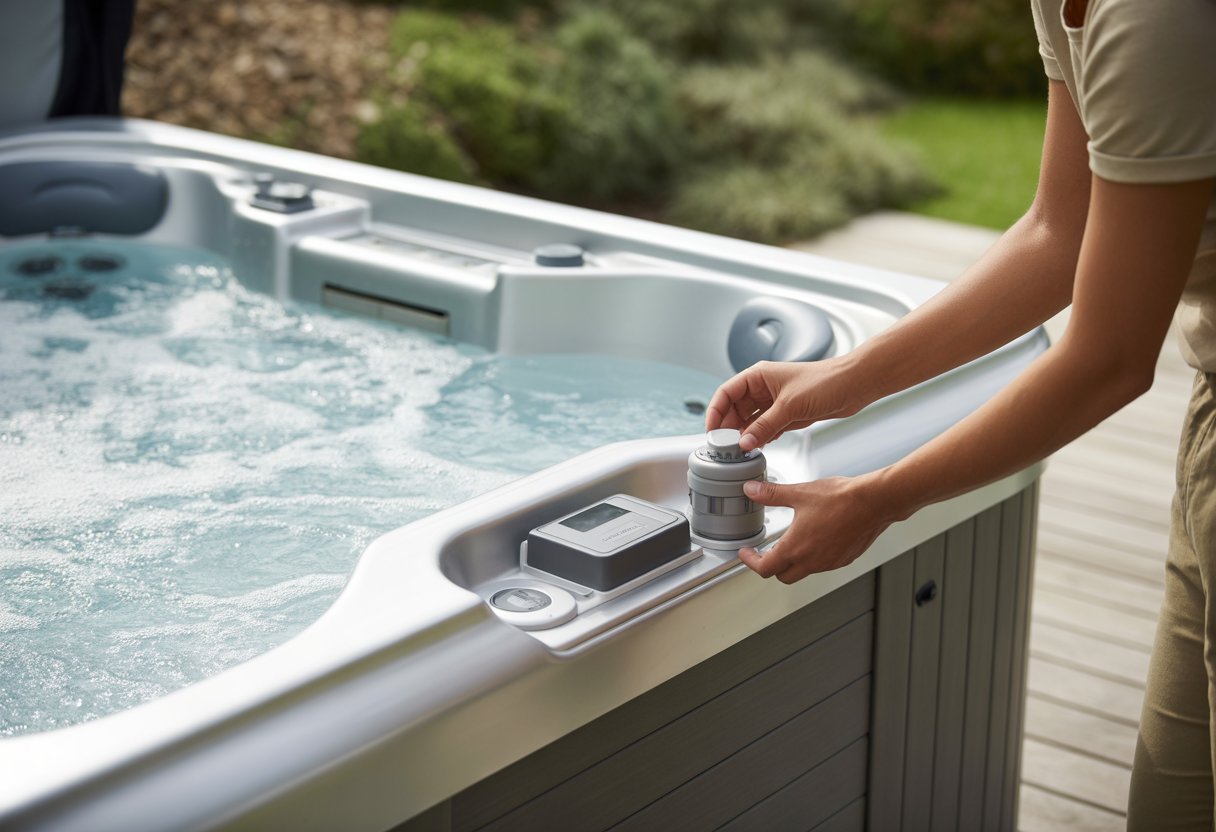
The right dispenser matches your hot tub size, usage patterns, and preferred sanitizer type. Proper installation requires attention to plumbing connections and placement, while regular maintenance keeps the system running smoothly for years.
Selecting the Right Device for Your Spa
Hot tub owners need to match their dispenser capacity to their spa’s water volume. A 300-gallon hot tub requires different chemical delivery than an 800-gallon model. Most dispensers handle between 200-1,000 gallons effectively.
Sanitizer compatibility plays a crucial role in selection. Some units work exclusively with chlorine tablets, while others accommodate bromine or mineral systems. Multi-sanitizer models offer flexibility but cost more upfront.
Flow-through dispensers connect directly to plumbing lines. They provide consistent chemical distribution but require professional installation. Floating dispensers offer easier setup but may create uneven sanitizer levels in larger hot tubs.
| Feature | Flow-Through | Floating | Inline |
|---|---|---|---|
| Installation | Professional | DIY | Moderate |
| Coverage | Excellent | Good | Very Good |
| Cost | $$$ | $ | $$ |
Digital models with WiFi connectivity allow remote monitoring of chlorine levels and water care status. Basic mechanical units cost less but require manual checking and adjustment.
Installation Considerations
Professional installation ensures proper water flow and chemical distribution throughout the hot tub system. The dispenser must connect between the heater and return jets for optimal performance.
Plumbing modifications may be necessary depending on the hot tub’s existing setup. Some systems require additional bypass valves or flow switches to regulate chemical delivery rates.
Electrical connections matter for automated dispensers. GFCI-protected circuits prevent safety hazards near water. Battery-powered units eliminate electrical work but need regular battery replacement.
Placement affects chemical mixing and system efficiency. Install flow-through units downstream from the heater but upstream from UV or ozone systems. Chemical sanitizers can interfere with these alternative water care methods.
Water pressure requirements vary by model. Most dispensers need 15-30 PSI to function properly. Low-pressure systems may require booster pumps or different dispenser types.
Ongoing Maintenance and Best Practices
Weekly refills keep sanitizer levels stable in most residential hot tubs. Heavy usage or high temperatures increase chemical consumption and require more frequent attention.
Clean the dispenser housing monthly to prevent buildup and clogs. Remove any residue from tablets or granules that didn’t dissolve completely. Calcium deposits can reduce flow rates and affect performance.
Monitor sanitizer levels with test strips or digital meters twice weekly. Automatic dispensers supplement regular testing but don’t replace it entirely. Adjust dispenser settings based on actual chlorine levels rather than manufacturer recommendations alone.
Replace worn seals and gaskets annually to prevent leaks. Most units include replacement part kits for common maintenance items. Store extra chemicals in cool, dry locations away from direct sunlight.
Winterisation procedures vary by climate and dispenser type. Drain all water from the unit before freezing temperatures arrive. Remove any remaining chemical tablets to prevent corrosion during storage periods.
Frequently Asked Questions
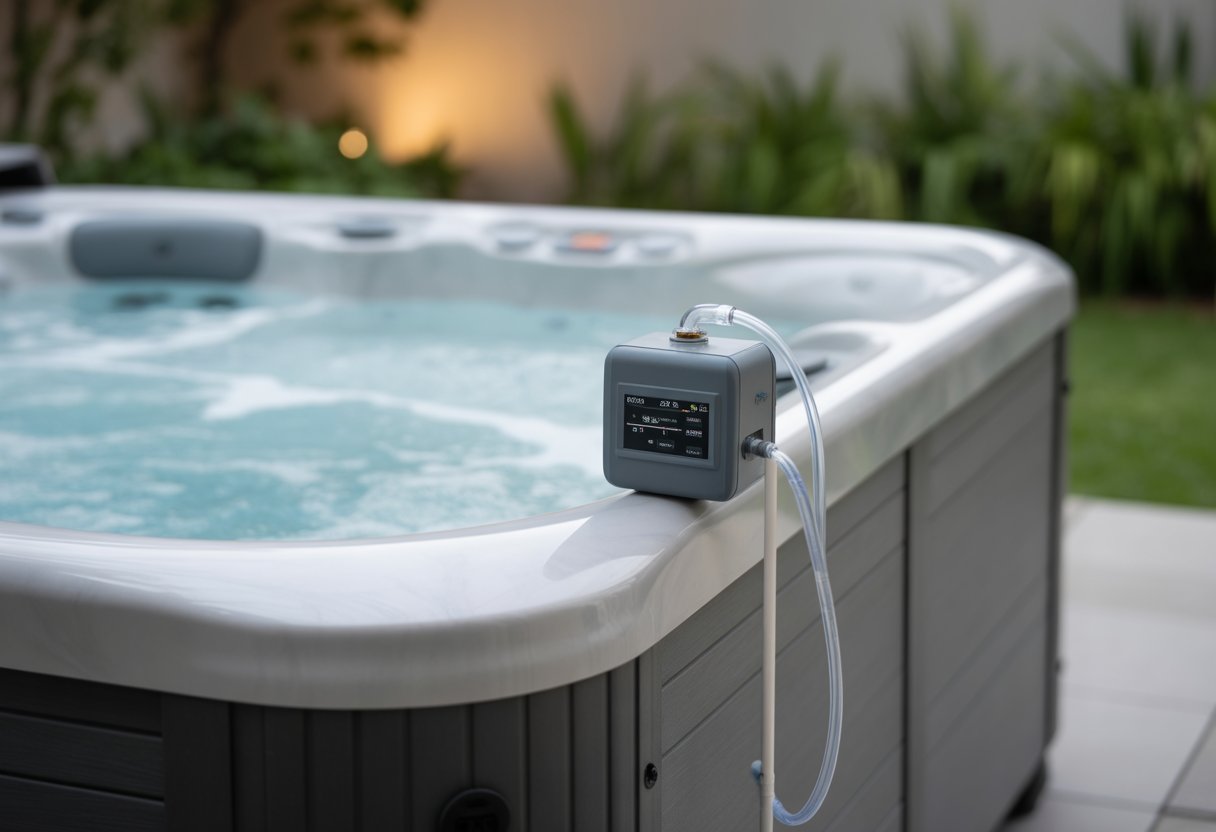
Automatic hot tub chemical monitors and dispensers raise many questions about their operation, maintenance requirements, and cost-effectiveness. These systems offer advanced features like smartphone connectivity, precise chemical regulation, and built-in safety measures.
How does an automated hot tub chemical dispenser regulate pH and chlorine levels?
The system uses electronic sensors to measure water chemistry every few minutes. These sensors send data to a control unit that compares current levels to preset targets.
When pH drops below the desired range, the dispenser automatically releases pH increaser into the water. If chlorine levels fall too low, it dispenses the right amount of sanitizer to restore proper balance.
Most units can adjust chemicals within 15-30 minutes of detecting changes. The control unit stores dosing history and learns the hot tub’s specific chemical consumption patterns over time.
What maintenance is required for an automatic hot tub chemical monitoring system?
Users need to refill chemical reservoirs every 2-4 weeks depending on hot tub usage. The system alerts owners when chemical supplies run low through indicator lights or smartphone notifications.
Sensor probes require cleaning every 2-3 months with a soft brush and calibration solution. This process takes about 10 minutes and ensures accurate readings.
The dispensing tubes should be checked monthly for clogs or buildup. Annual professional servicing helps maintain optimal performance and extends equipment life.
Are there smart hot tub monitors that allow for remote management via a smartphone app?
Many current models include WiFi connectivity and companion mobile apps. These apps display real-time water chemistry readings, chemical usage history, and maintenance reminders.
Users can adjust target pH and chlorine levels remotely from anywhere with internet access. The apps send push notifications when chemical levels drift outside safe ranges or when supplies need refilling.
Some advanced systems integrate with home automation platforms like Alexa or Google Home. This allows voice commands to check water status or modify settings.
What safety features should I look for in an automatic chemical dispenser for my hot tub?
Lockout mechanisms prevent chemical overdosing by limiting maximum daily dispensing amounts. These systems shut down automatically if sensors detect readings outside safe parameters.
Chemical reservoir locks keep children and pets away from concentrated chemicals. Leak detection sensors alert users immediately if dispensing lines develop problems.
Emergency stop buttons allow instant system shutdown during maintenance or emergencies. Many units include backup battery power to maintain monitoring during electrical outages.
How often do the chemical levels need to be calibrated with an automatic monitoring device?
Most systems require calibration every 3-4 months for accurate performance. The process involves testing sensor readings against manual test strips or liquid test kits.
New installations need initial calibration within the first week of operation. Heavy bather loads or extreme weather may require more frequent calibration adjustments.
Professional technicians can perform annual calibrations as part of regular maintenance visits. This ensures sensors maintain factory-level accuracy throughout their operational life.
What are the cost benefits of installing an automatic chemical monitor and dispenser in a hot tub?
Automated systems reduce chemical waste by dispensing precise amounts only when needed. Manual dosing often results in overuse, making chemicals last 20-30% longer with automated control.
The systems prevent costly water chemistry problems that require complete water changes. Maintaining proper balance extends equipment life and reduces repair expenses.
Time savings average 2-3 hours weekly compared to manual testing and chemical addition. Many owners find the convenience worth the initial investment within the first year of operation.
The post Automatic Hot Tub Chemical Monitor and Dispenser Systems first appeared on Canadian Home Leisure.source https://canadianhomeleisure.ca/automatic-chemical-feeder/


