Tuesday, December 10, 2024

The Slate Top Pool Table: Premium Choice for Serious Players

Slate top pool tables offer a unique blend of style and performance. These tables feature a smooth playing surface made from genuine slate, prized for its flatness and consistency. Slate pool tables provide unmatched stability and precision for serious players and casual enthusiasts alike.
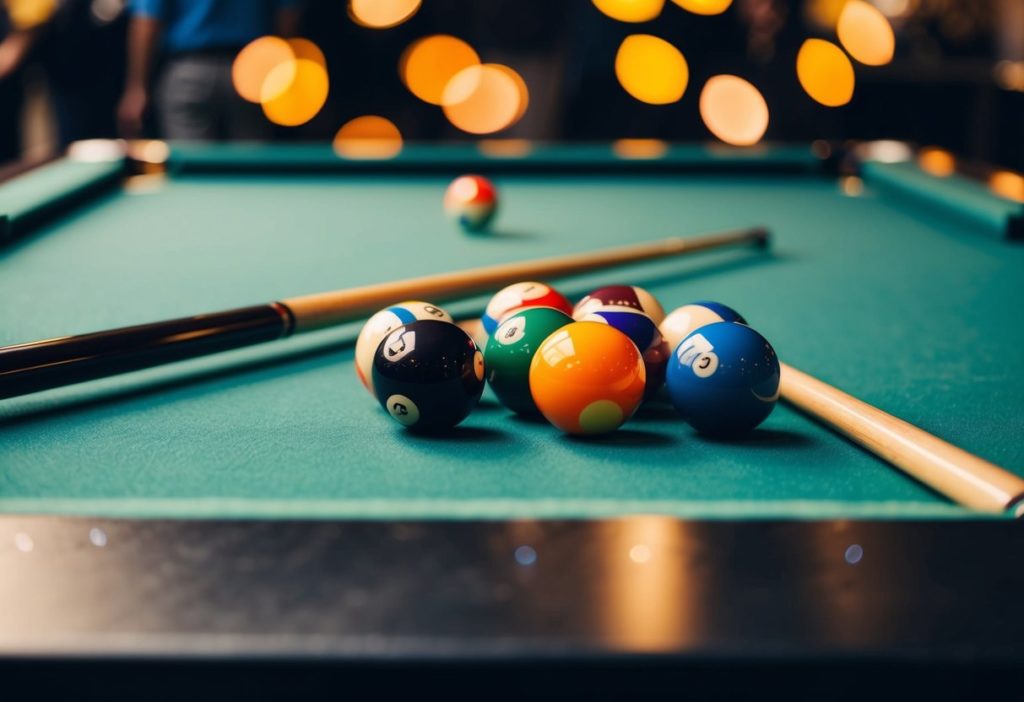
A slate pool table with colourful balls and a cue stick

The durability of slate tops sets them apart from other materials. They resist warping and maintain their shape over time, ensuring a level playing field for years to come. This longevity makes slate top tables a smart investment for home game rooms or commercial settings.

Beyond their practical benefits, slate top pool tables add a touch of elegance to any space. The natural stone appearance complements various decor styles, from classic to modern. With proper care, these tables can become cherished centrepieces for generations of family fun and friendly competition.
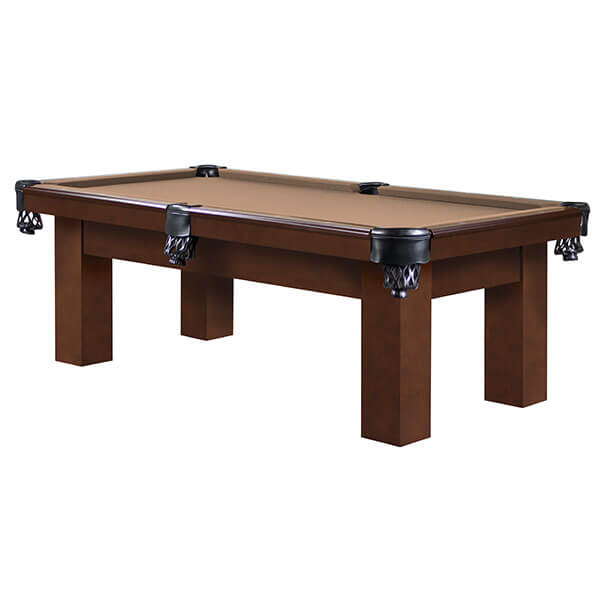
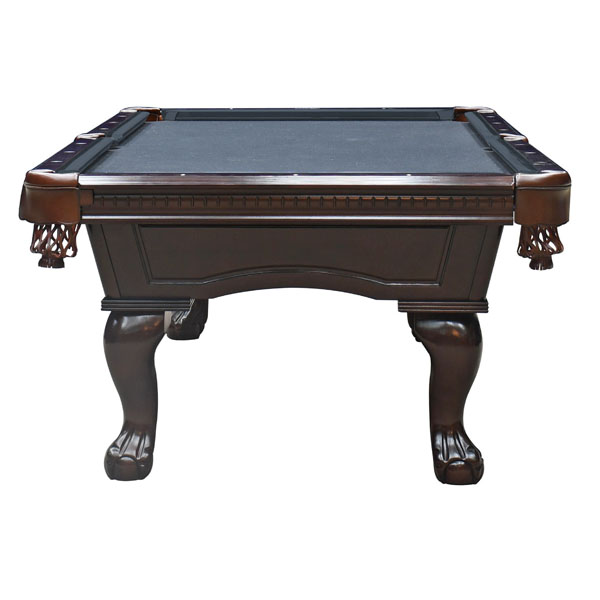
Benefits of Slate Top Pool Tables

Slate-top pool tables offer top-notch performance and quality for billiards enthusiasts. These tables provide a superior playing experience and stand the test of time.

Precision and Consistent Play

Slate pool tables deliver unmatched accuracy for professional-level play. The fine-grained rock creates an incredibly flat surface. This ensures balls roll true without unexpected deviations. Players can count on consistent ball movement across the entire table.

The level playing field allows for precise shot-making and strategy. Pros and amateurs alike benefit from the predictable nature of slate surfaces. This consistency lets players focus on improving their skills rather than adapting to table quirks.

Slate’s natural properties resist warping and maintain flatness over time. This stability preserves the table’s playability for years to come.

Longevity and Durability

Slate pool tables are built to last. The tough rock material can withstand decades of use without losing its shape or smoothness. With proper care, a slate table can remain in top condition for generations.

Regular cleaning and meticulous care help maintain the slate’s pristine surface. Unlike other materials, slate doesn’t absorb moisture or expand with temperature changes. This resistance to environmental factors keeps the playing surface true.

The durability of slate means less frequent repairs or replacements. While the initial cost may be higher, the long-term value is clear.

Enhanced Stability

Slate pool tables offer rock-solid stability during play. The hefty weight of the slate, combined with solid wood frames, creates a sturdy base. This stability is key for maintaining the table’s level and preventing unwanted movement.

The substantial mass of slate helps absorb vibrations and impacts. This results in quieter play and less ball bounce after shots. The improved flatness also means fewer dead spots or subtle slopes that can affect gameplay.

Stable tables allow players to lean or rest on the rails without disturbing the playing surface. This added convenience enhances the overall billiards experience.

Different Types of Slate Pool Tables

Slate pool tables come in various styles and sizes to fit different spaces and needs. These tables offer top-notch playing surfaces for billiards enthusiasts.

Standard vs. Outdoor Pool Tables

Standard slate pool tables are made for indoor use. They have a wood frame and a cloth-covered slate top. The slate is 1 inch thick for the best play. Outdoor tables use special materials to resist the weather. They have aluminum frames and waterproof surfaces. Some use Slatron, a fake slate that can handle rain and sun.

Black pool tables are popular for both indoor and outdoor use. They give a sleek look to any space.

Portable and Conversion Pool Tables

Portable pool tables can be moved easily. They often have folding legs and wheels. These tables are great for small homes or parties.

Conversion pool tables serve two roles. They can switch from a pool table to a dining table. A dining top covers the slate surface. This type is perfect for rooms that need to do double duty.

Size Variations: 7 Foot and 8 Foot Options

Pool tables come in different sizes. The most common are 7-foot and 8-foot tables.

7-foot tables:

  • Good for smaller rooms
  • Often used in pubs
  • Faster gameplay

8-foot tables:

  • More space for shots
  • Standard size for many homes
  • Better for learning proper technique

Special Features

Some pool tables have extra features to improve gameplay or ease of use.

Auto ball return systems send balls to a collection area after they’re pocketed. This saves time between games.

Custom cloth colours let players match their table to their decor.

Built-in storage for cues and balls keeps everything tidy.

LED lighting can be added to table pockets for a modern touch.

Selecting the Right Slate Pool Table

Choosing a slate pool table involves considering room size, materials, and potential multipurpose uses. These factors impact gameplay and overall enjoyment.

Considering Room Size and Game Play

Room size affects the pool table size you can fit. 7-foot tables work well in smaller spaces, while 8-foot tables are ideal for larger rooms. Measure your space carefully before buying.

Leave enough room around the table for players to move and use cues comfortably. A good rule is to add 5 feet to each side of the table for proper clearance.

Table size also impacts gameplay. Larger tables offer more challenges and are better for skilled players. Smaller tables can be easier for beginners and casual players.

Materials and Design Options

Slate is the top choice for pool table playing surfaces. It provides a smooth, level area that stays flat over time. Look for tables with at least a 1-inch thick slate for the best performance.

Table frames come in various materials like wood or metal. Wood offers a classic look, while metal can be more modern. Choose based on your style and budget.

Felt colour is another design choice. Green is traditional, but black felt is growing in popularity. Consider how the colour will match your room’s decor.

Pool Dining Tables for Multipurpose Use

Pool dining tables offer a smart solution for small spaces. These tables have a removable top that converts them from a pool table to a dining table.

When choosing a pool dining table, check the quality of both the pool and dining surfaces. The dining top should fit snugly and be sturdy enough for regular use.

Some pool dining tables come with matching benches or chairs. This creates a cohesive look and saves you from buying separate seating.

Installation and Maintenance

Setting up a slate-top pool table requires expertise and care. Proper installation and upkeep are key to enjoying your table for years to come.

Professional Installation for Optimal Play

A slate-top pool table needs expert setup. Pros have the tools and know-how to ensure a level surface. They’ll assemble the frame, place the slate, and secure it properly. The felt is then stretched tight to avoid wrinkles or bubbles.

Correct installation affects gameplay. A level table lets billiard balls roll true. Pros will test the roll and make adjustments. They’ll also set up accessories like the cue rack.

The process can take several hours. It’s not a DIY job. Trying to install it yourself might lead to problems. These could hurt your game or damage the table.

Routine Maintenance and Care

Regular cleaning keeps your table in top shape. Use a soft-bristled brush to sweep the felt. Do this weekly or after each use. This removes dust and chalk that can affect ball movement.

Vacuum the felt gently every month. Use a low-suction setting to avoid stretching the fabric. Wipe the rails and frame with a slightly damp cloth.

A quality cover protects your table when not in use. It keeps dust off and guards against spills. Remove the cover now and then to let the felt breathe.

Check for loose screws or bolts every few months. Tighten them if needed. This keeps the table stable and level.

Avoid eating or drinking near the table. Food crumbs and spills can stain or damage the felt.

Warranty and After-Sales Support
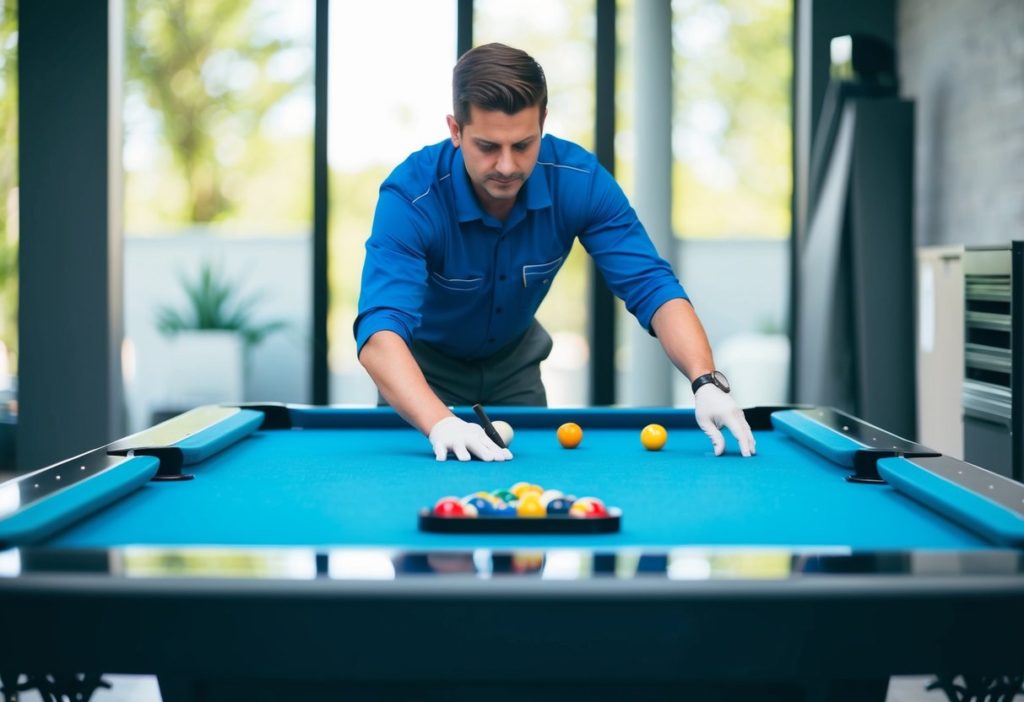
A pool table technician checking consistency of the playing area

Most slate top pool tables come with a warranty. The length and coverage can vary between manufacturers.

Typical warranties last 1 to 5 years. They often cover defects in materials and workmanship. This might include issues with the slate, frame, or pockets.

Some key points to look for in a warranty:

  • Length of Coverage
  • What’s included and excluded
  • How to make a claim
  • If it’s transferable to new owners

After-sales support is also important. Good companies offer help with:

  • Assembly instructions
  • Troubleshooting tips
  • Replacement parts
  • Repairs

It’s wise to check reviews about a company’s customer service. Fast response times and helpful staff can make a big difference if issues come up.

Some manufacturers have online resources. These might include videos, FAQs, and user forums. These can be handy for quick fixes or advice.

Keep all paperwork and proof of purchase. This helps if you need to use the warranty or get support later on.

Remember, proper care of your table can prevent many problems. Follow the maker’s guidelines for maintenance to keep your table in top shape.

Why Choose a Slate Top Pool Table?
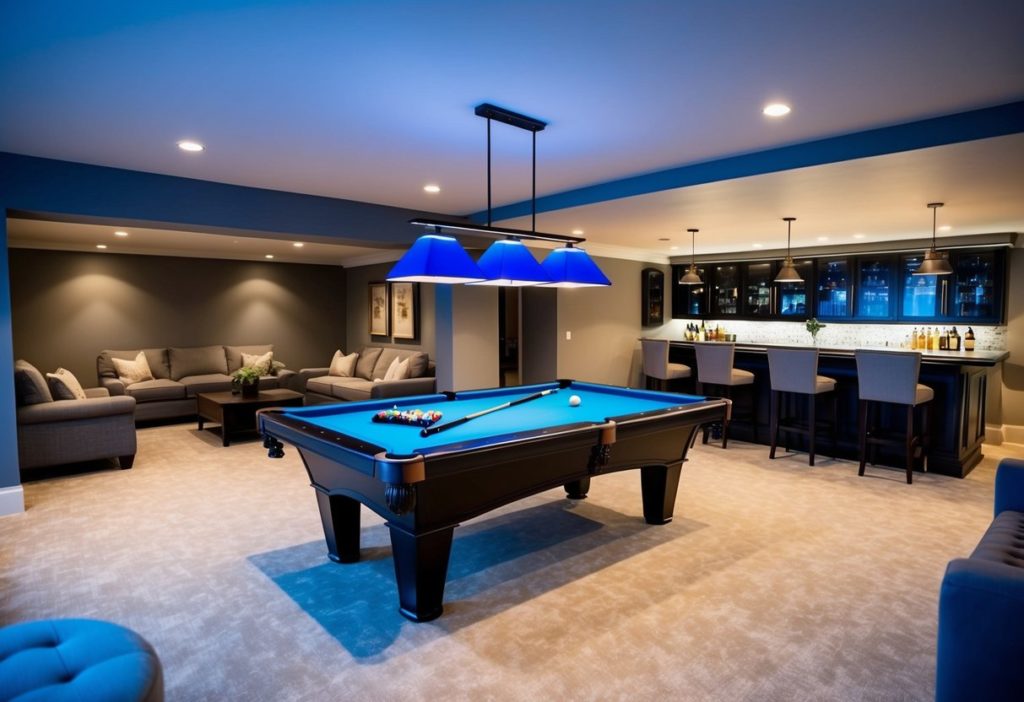
slate top table in sleek, well designed games room

Slate-top pool tables offer the best playing surface for serious billiards enthusiasts. They provide a smooth, flat surface that ensures accurate ball rolls and consistent gameplay.

Comparing Slate to Other Materials

Slate is the top choice for pool tables because of its unique properties. It’s dense, smooth, and doesn’t warp over time. Other materials like compressed wood or AccuSlate can’t match slate’s performance.

Compressed wood tables are cheaper but tend to sag or warp. This leads to uneven play and shorter table life. AccuSlate, a synthetic option, tries to mimic slate but falls short in feel and durability.

Slate tables stay flat and true for decades. They allow for precise shots and predictable ball movement. This is why pros and serious players always pick slate.

The Investment in Quality

A slate pool table costs more upfront but pays off in the long run. It’s a premium choice that lasts for generations with proper care.

The initial price might seem high, but slate tables hold their value well. They don’t need replacing every few years like cheaper options.

For home use, a slate table adds a touch of class to any game room. It’s not just a game; it’s a piece of furniture that can become a family heirloom.

In bars or pool halls, slate tables stand up to heavy use. They keep players coming back for the best possible game experience.

Brand Profiles
A sleek slate top pool table with the Brand Profiles logo prominently displayed

Slate pool tables offer premium playing surfaces for billiards enthusiasts. Two notable brands stand out for their quality and craftsmanship in this space.

Legacy Billiards Tables

Legacy Billiards creates top-notch slate pool tables known for their accurate ball movement. Their tables come in various sizes to fit different spaces. The company uses high-grade slate for smooth gameplay.

Legacy offers customization options for felt colour and wood finishes. This lets buyers match tables to their decor. The brand focuses on durability, using solid hardwoods in construction.

Assembly is straightforward with Legacy tables. Most models include detailed instructions and necessary tools. The brand provides good customer support for setup questions.

Regal Billards

Regal Billiards specializes in slate-top tables that blend style and function. Their designs range from classic to modern, suiting various tastes. The brand uses a three-piece slate for optimal levelling and play.

Regal tables feature precise pocket cuts for consistent ball drop. The rails use K66 rubber for true rebounds. This helps players improve their skills over time.

The brand offers tables in standard sizes like 7-foot and 8-foot options. They also make oversized models for larger game rooms. Regal’s tables often include accessories like cues and ball sets.

Frequently Asked Questions

Slate-top pool tables are popular choices for serious players and home game rooms. Let’s address some common questions about these high-quality tables.

How much does a slate-top pool table typically cost in Ontario?

Slate-top pool tables in Ontario usually range from $2,000 to $10,000. The price depends on size, brand, and features. Basic models start around $2,000, while custom designs can exceed $10,000.

What should I look for when buying a slate-top pool table?

Check the slate thickness, which should be at least 1 inch. Look for solid wood construction and sturdy legs. Make sure the felt is high-quality and properly stretched. Ask about warranty coverage and delivery options.

What are the benefits of choosing a slate pool table over a non-slate?

Slate tables offer better ball roll and consistency. They stay level over time and provide a professional playing experience. Slate tables are more durable and can last for decades with proper care.

How do I properly maintain a slate-top pool table?

Brush the felt regularly to remove dust and chalk. Use a cover when not in use. Keep the table level and avoid moving it often. Clean balls and cues after each use. Have a professional re-felt the table every few years.

Can slate pool tables be damaged by standing on them?

Yes, standing on a slate pool table can cause damage. The slate can crack or the frame may warp. Always use the table for playing pool only. Avoid placing heavy objects on the playing surface.

What are the weight considerations for installing a slate-top pool table?

Slate tables are very heavy, often weighing 700 to 1,000 pounds. Ensure your floor can support this weight. Ground floor or basement installations are best. Upstairs locations may need extra floor support.
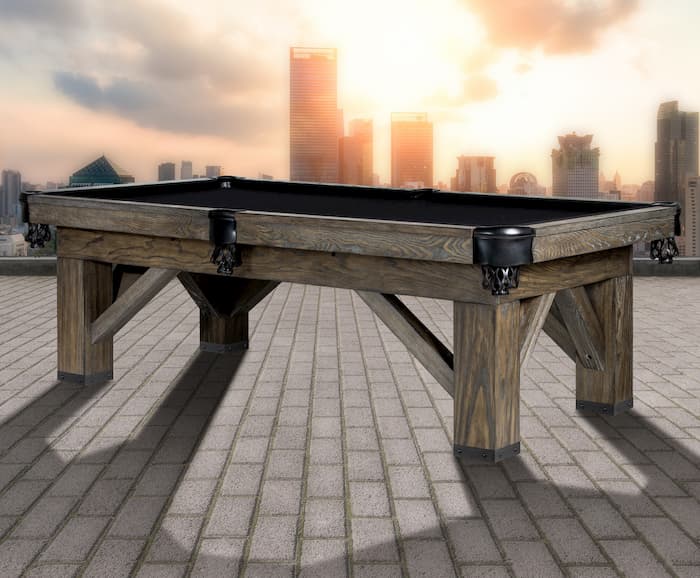
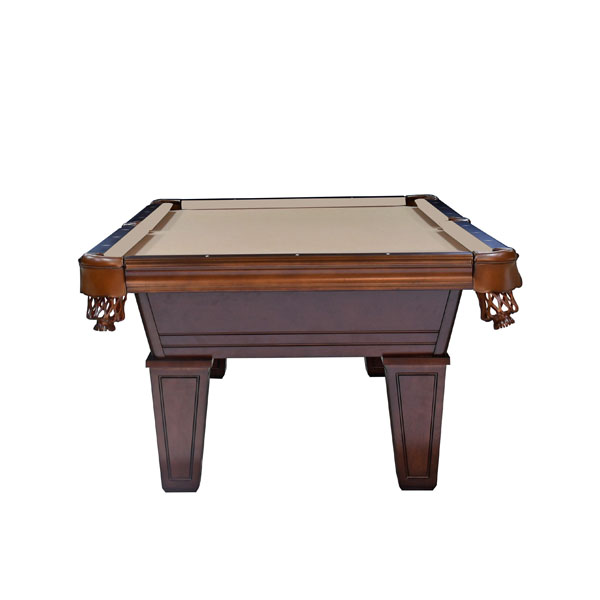
best billiard table slate is represented by the Harpeth pool table by Legacy
This is the Harpeth Billiard Table. Browse the different styles of pool tables

Billiards tables come in many different sizes and appearances. Traditional tables have natural hardwood frames and green felts, while some modern designs boast grey and green felts with dark-painted frames. Likewise, you can find billiards tables in assorted sizes to fit all homes and spaces.

Which is the best type of slate pool table?

The Need for a Solid Frame

Regardless of the look, table composition changes between manufacturers, too. High-end tables consist mostly of hardwood. Consumer-grade tables mix in some softwood like plywood and particleboard.

The more solid the frame, the less maintenance and fewer repairs. Always, hardwood offers better stability—but this also depends on assembly.

Types of Billiards Slates Available

A billiards table needs a strong foundation to bear the weight of its slate. For professional tournaments, the only acceptable material is rock. The ball rolls accurately on concrete. It also promises the highest durability, stability, and straightness.

Slate comes in two weaker varieties: core and wood. Core combines both wood and concrete, whereas wood is simply plywood or particleboard.

The slate core often sags near the rails because of the weight and pressure applied by players. This affects how balls roll nearest the pockets. Slate wood—although susceptible to warping, too—poses a unique disadvantage. The roll of the ball itself is different, which aggrieves experienced players. This is due to how far the ball sinks into the wood and the resistance of the grain.

The minimum width of any slate is 1 inch. That said, the length differs as pure and core slates often come in as many as three pieces for easier portability. Consequently, such slates are harder to level. But when properly installed, the difference between a one and three-piece is undetectable. Slate wood often comes in a single piece, too, usually on smaller recreational tables.

The post The Slate Top Pool Table: Premium Choice for Serious Players first appeared on Canadian Home Leisure.

source https://canadianhomeleisure.ca/slate-top-pool-tables/

Tuesday, November 19, 2024

Pool Table Lines: What are the Markings on a Billiard Table?

Different pool table markings on a billiard table

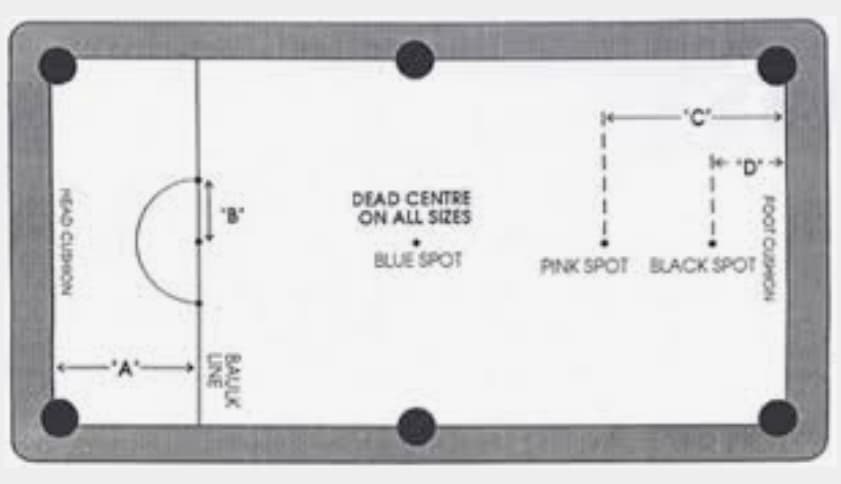
Some billiards tables come marked with spots and lines for popular games like pool and snooker. The markings on a snooker table allow for both gameplays—but not vice versa.

Want to Mark Your Own Lines on a Pool Table?

If you buy a virgin table, we recommend hiring a pro to decorate it. Doing it yourself with stickers and markers is difficult. A single slip can be costly and irreversible!

Whether or not you choose to mark the table yourself, you’ll need to understand a few terms.

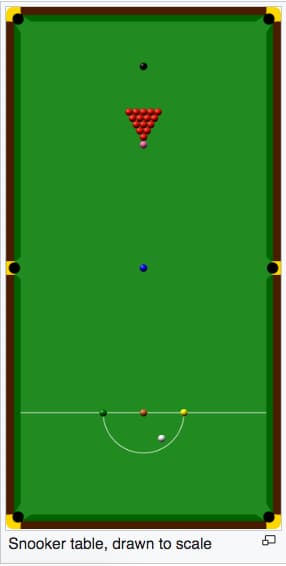
snooker table with the coloured balls and lines drawn to scale
Figure: An illustrated snooker table, marked with the appropriate lines and spots. Image courtesy of Wikipedia.
  • Strings: Imaginary lines that divide the pool table into quadrants. One string runs lengthwise, touching the head and foot rains; one runs widthwise, connecting the two side pockets.
  • Spots: Marked points along the strings. Many tables have a single spot where the two primary strings intersect—the center.
  • Lines: Drawn lines that segment the table. The baulk line appears in most games, identifying the breaking boundary. For snooker, the “D” line connects with the baulk line, forming a semicircle near the head of the table.

Popular Billiards Line and Spot Placements

The game of pool requires a single spot – the apex. It lies halfway between the foot and the center of the table. It is plotted on the longest string.

Another way to calculate the apex is to imagine a string between a side pocket and the left or right foot pocket. Where this string intersects with the one running lengthwise marks the spot.

Other common spots include (see figure):

  • The pyramid for the pink snooker ball (23 inches from the foot);
  • The spot for the black snooker ball (1/11th of the length of the table from the foot rail);
  • The spot for the blue snooker ball (centered between the side pockets);
  • The spots for the yellow, green, and brown snooker balls are at each end of the “D” line and along its semicircle.

The balkline, behind which the player shoots, is at the head of the table. It runs widthwise at roughly one-fifth of the table’s length. This equals 21 ¾ inches from the headrail on a standard 4 ½ by the 9-foot table. Many tables only include the balk line and center point.

The post Pool Table Lines: What are the Markings on a Billiard Table? first appeared on Canadian Home Leisure.

source https://canadianhomeleisure.ca/the-different-markings-on-a-billiards-table/

Friday, November 8, 2024

How to Clean Pool Balls: 3 Easy-to-Use Methods for Billiard Maintenance

Pool balls get dirty over time. Chalk, oils, and grime build up on their surface. This can affect how they roll and interact on the table. Choose one of the options on how to clean pool balls to prolong your billiard equipment and step up your gameplay.

View our selection of Pool Tables for Sale HERE!

Learn how to clean balls to step up your game

Clean pool balls improve game performance and the overall playing experience. Proper cleaning removes dirt and restores the balls’ original shine. This helps them move smoothly across the felt.

Regular cleaning keeps pool balls in top shape. It’s a simple task that makes a big difference. With the right method, anyone can keep their pool balls looking and performing like new.

The Basics About Pool Balls

Pool balls are key to the game of billiards. They come in different colours and numbers. The balls’ materials and how they get dirty affect their care.

Materials and Composition

Pool balls are made of phenolic resin. This material is tough and lasts a long time. It resists chips and cracks well. The balls are smooth and shiny when new. They weigh about 170 grams each.

Standard pool ball sets have 16 balls. There’s a white cue ball and 15 numbered balls. The numbered balls are in solid colours or stripes. Balls are 57 mm wide, give or take 0.127 mm.

Some cheap balls are made of polyester. These don’t last as long as phenolic resin balls. They can get marks more easily.

Common Causes of Dirt and Stains

Pool balls get dirty from normal play. Chalk from cue tips leaves marks on the balls. Players’ hands can leave oils on the surface. The felt on the table can also leave marks.

Drinks spilled on the table can stain balls. Food crumbs might stick to them too. Dust in the air settles on balls over time.

Improper storage can lead to dirt build-up. Balls left out might get extra dusty. Storing them in a damp place can cause mould spots.

Some cleaning products can harm pool balls. Harsh chemicals might dull the shine. They can also leave a film that attracts more dirt.

Preparing to Clean Pool Balls

Getting ready to clean your pool balls is simple. You’ll need a few basic items and a cleaning solution. Let’s go over what you need to do.

Gathering Your Materials

To clean pool balls, you’ll want these things:

  • A bucket or sink
  • Warm water
  • Mild dish soap
  • A microfiber cloth
  • A towel for drying

Make sure your sink or bucket is clean before you start. You don’t want to add dirt to the balls while cleaning them. The microfiber cloth is great for scrubbing without scratching. Pick a soft towel for drying to avoid leaving lint on the balls.

Creating the Cleaning Solution

Mix warm water with a small amount of mild dish soap. Don’t use harsh cleaners, as they might damage the balls. Here’s how to make the solution:

  1. Fill a bucket or sink with warm water.
  2. Add a few drops of mild dish soap.
  3. Mix gently to create suds.

The water should feel warm to the touch, but not hot. Too much heat can harm the balls. Stir the water to spread the soap evenly. This mix will clean the balls without being too harsh on their surface.

Options on the Cleaning Process

Pool balls get dirty with regular use. There are several ways to clean them and restore their shine.

Use Billiard Ball Cleaner

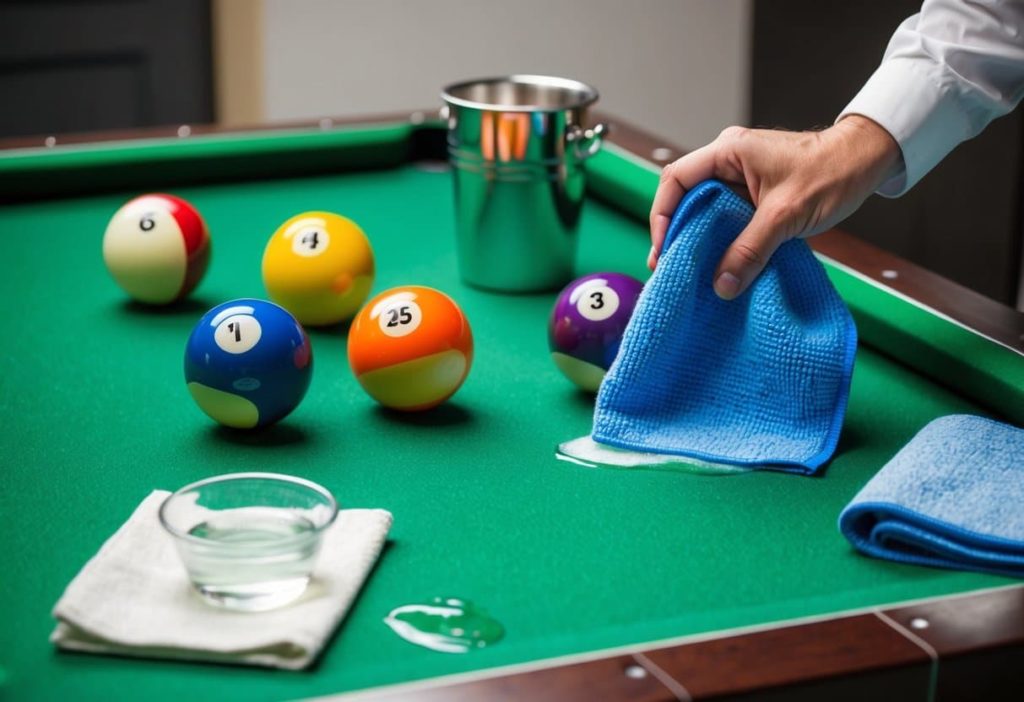
Billiard ball cleaner is made for this task. It’s easy to use and effective. Pour some cleaner onto a microfiber cloth. Rub each ball gently to remove dirt and oils. Wipe off any extra cleaner with a clean part of the cloth.

This method is quick and doesn’t need much effort. The cleaner helps remove tough stains and marks. It also leaves a protective layer on the balls. This can help them stay clean longer.

Make sure to follow the product instructions. Some cleaners may need to sit on the balls for a short time before wiping.

Hand Washing the Balls

Hand washing is a simple way to clean pool balls. Fill a bucket or sink with warm water and mild dish soap. Put the balls in the soapy water. Use a soft cloth to clean each ball.

Rub gently to remove dirt and grime. Pay extra attention to any stains or marks. Rinse the balls well with clean water. Dry them right away with a microfiber towel to prevent water spots.

This method is good for regular cleaning. It’s cheap and uses items you likely have at home. Be careful not to use harsh soaps or scrubbers. These can damage the balls’ surface.

Using an Electric Cleaner for Pool Balls

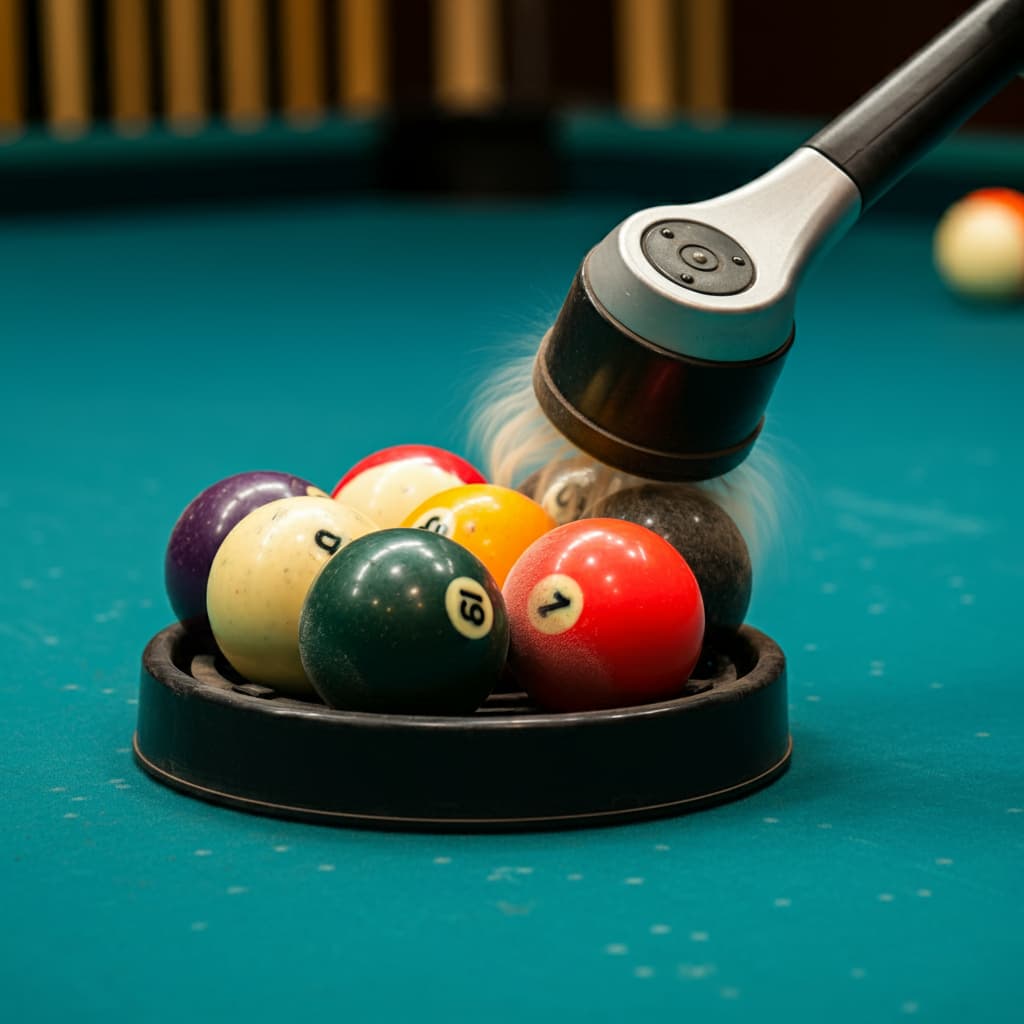
Electric cleaners offer a hands-off approach. They’re good for deep cleaning or large sets of balls. Add the cleaning solution to the machine as directed. Place the balls inside and turn it on.

The machine spins the balls in the solution. This removes dirt without any scrubbing. Most units take about 5-10 minutes to clean a full set. After cleaning, rinse the balls with clean water.

Dry them well with a microfiber cloth. Electric cleaners can save time and effort. They’re a good choice for frequent players or pool halls. The downside is they cost more than other methods.

Polishing Pool Balls

Polishing pool balls keeps them smooth and shiny. This helps them roll better during games. Two key steps are picking the right polish and using the proper technique.

Choosing the Right Polish

Pool ball polish comes in many types. Look for a polish made just for billiard balls. These work best and won’t harm the balls. Avoid car waxes or furniture polishes. They can leave a slick coating that affects play.

Some polishes need water, while others are dry. Water-based ones are easier to use but may not last as long. Dry polishes give a longer-lasting shine but take more effort to apply.

Check if the polish works for your ball type. Phenolic resin balls need different care than polyester ones. The wrong polish can damage the surface.

The Polishing Technique

Start with clean, dry balls. Use a soft cloth to apply the polish. Microfiber works well and won’t scratch. Put a small amount of polish on the cloth, not directly on the ball.

Rub the polish in small circles. Cover the whole ball evenly. Don’t press too hard or you might damage the surface. Keep polishing until the ball feels smooth.

Let the polish dry as directed. This can take a few minutes to an hour. Once dry, buff the ball with a clean cloth. This brings out the shine.

Polish your balls every few months. More often if you play a lot. Regular care keeps them in top shape for better play.

Caring for Your Pool Balls

Pool balls need proper care to stay in top shape. Regular cleaning and careful storage keep them looking great and playing well.

Regular Maintenance Tips

Clean your pool balls after each use. Wipe them with a soft, damp cloth to remove chalk and dirt. For tougher stains, use a mild soap and water solution. Rinse the balls well and dry them right away with a lint-free towel.

Every few weeks, give your balls a deep clean. Use a special billiard ball cleaner for the best results. These cleaners remove tough grime without harming the ball’s surface. Follow the product instructions carefully.

Check your balls often for chips or cracks. Small damages can affect gameplay. Replace damaged balls to keep your set in good condition.

Storing Your Pool Balls

Keep your pool balls in a cool, dry place when not in use. Avoid leaving them in direct sunlight or near heat sources. This can cause the balls to warp or fade.

Store the balls in their original case or a special billiard ball case. These cases have spots for each ball, keeping them from bumping into each other. This prevents scratches and chips.

Don’t stack heavy items on top of your pool ball case. Too much weight can damage the balls over time. Handle the case with care to avoid dropping or banging the balls inside.

Troubleshooting Common Issues

billiard balls being polished with an electric cleaner

Pool balls can develop tricky problems over time. Here are some fixes for common issues you might face when cleaning your billiard balls.

Dealing with Stubborn Stains

Yellow stains on pool balls can be a real pain. Try using a mix of warm water and vinegar to tackle these tough marks. Soak the balls for 15 minutes, then scrub gently with a soft cloth.

For extra stubborn stains, make a paste with baking soda and water. Apply it to the dirty spots and let it sit for 5 minutes. Rinse well after.

If these methods don’t work, you can try a specialized pool ball cleaner. Follow the product instructions carefully.

Remember to dry the balls fully after cleaning to prevent water spots.

Addressing Scratches and Chips

Small scratches on pool balls can often be buffed out. Use fine-grit sandpaper to gently smooth the scratch. Be careful not to sand too much or you’ll change the ball’s shape.

For deeper scratches, you might need a pool ball polishing compound. Apply it with a soft cloth and buff it in circular motions.

Chips are trickier to fix at home. For badly damaged balls, it’s best to replace them. Using chipped balls can affect gameplay and damage your table’s felt.

Regular cleaning and careful handling can help prevent scratches and chips in the first place.

Enhancing the Gaming Experience

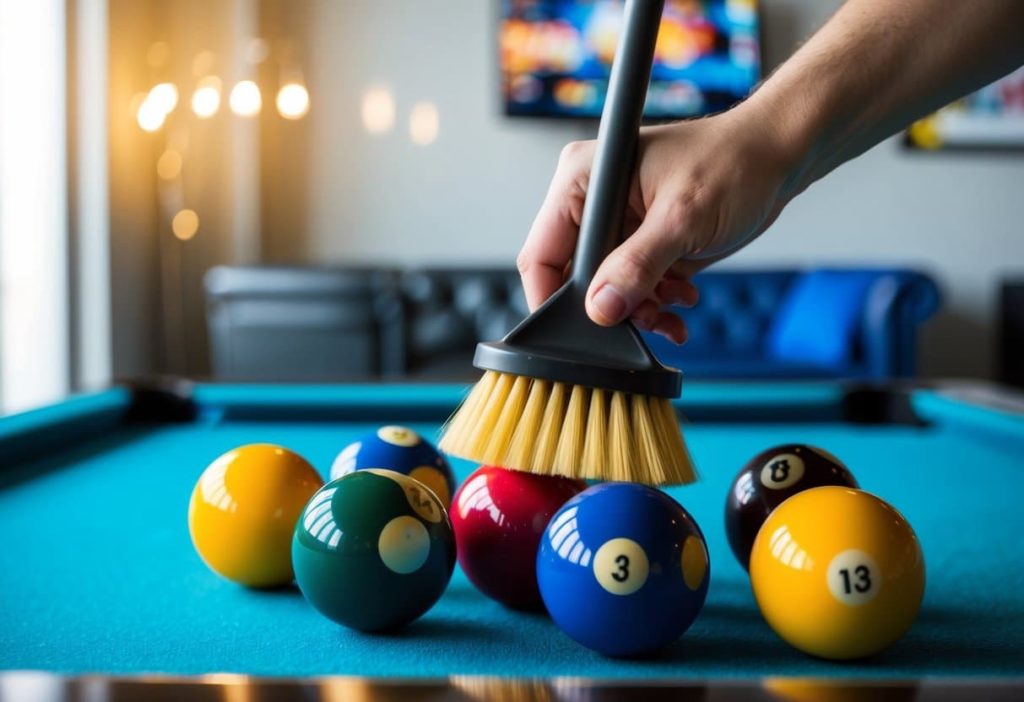
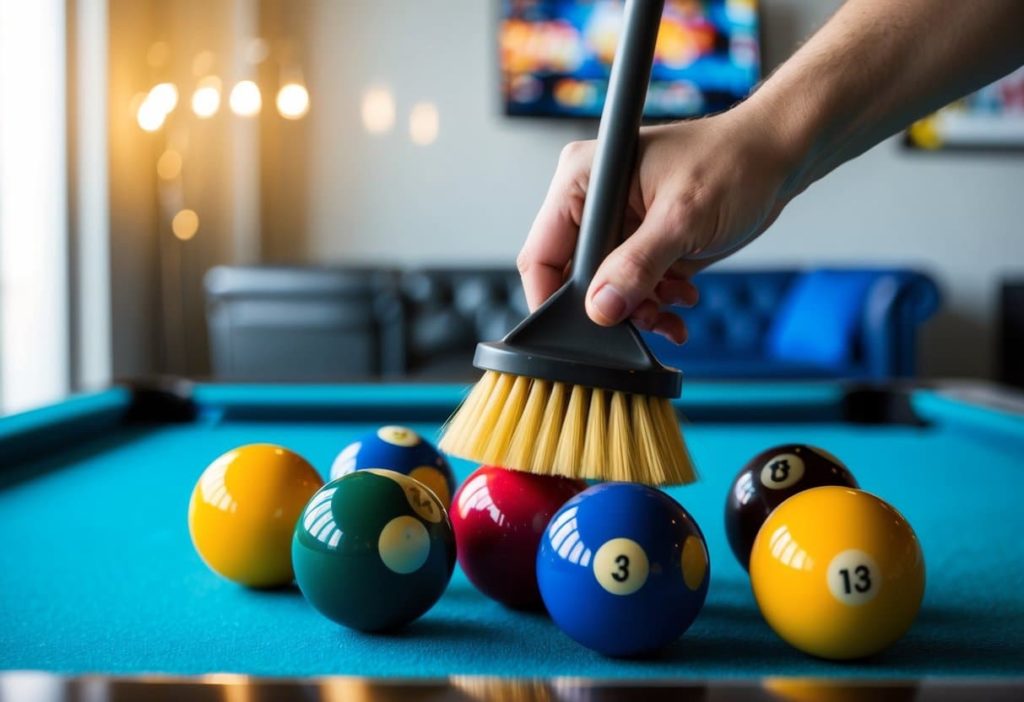
A hand held cleaning brush scrubbing a set of colorful pool balls in a well-lit gaming room

Clean billiard balls make pool and snooker more enjoyable. They roll smoothly and look great on the table. Players can step up their game with the right cleaning methods and tools.

The Impact of Clean Billiard Balls

Clean balls improve play in many ways. They roll straighter and more predictably on the felt. This helps players make better shots. Dirt and grime can throw off a ball’s path, leading to missed shots.

Clean balls also stick less to each other and the cue ball. This means better control over spin and ball placement. Players can pull off trickier shots with ease.

Shiny, clean balls look great too. They add to the classy feel of a billiards room. Guests will be impressed by the well-kept equipment. It shows care and respect for the game.

Upgrading to Professional Cleaning Equipment

A ball-washing machine is a game-changer for serious players. These machines clean balls quickly and thoroughly. They use special cleaning solutions to remove tough dirt and oils.

Ball washers come in different sizes. Small ones clean a few balls at a time. Larger ones can wash a full set in minutes. Some even dry and polish the balls after cleaning.

While pricey, these machines save time and effort. They’re great for busy pool halls or clubs. Home players might find them worth it too, especially if they play often.

Regular use of a ball washer keeps balls in top shape. This means less wear on the felt and better play overall.

Why You Need to Clean Your Billiards Balls Often

maintaining pool ball set

Just as you brush your table and chalk your cues, you should clean your billiard balls regularly. Besides enhancing the sheen, keeping your billiard balls dust-free has a few benefits.

#1. Cleaning ensures consistent playability

Clean, polished billiard balls roll smoothly. With an even surface—not raised or bumpy with dust—your strokes are cleaner.

#2. It reduces table maintenance

Chalk from the pool cue powders the cue ball. During its travels, some of that chalk falls onto the table. Consequently, object balls collect this debris and transport it during gameplay. Such chalk is abrasive and can damage the table.

We recommend wiping your billiards set with a microfiber cloth between uses. Occasionally, you should give the entire set a thorough cleaning.

Washing Your Billiards Balls

Balls made from phenolic resin require special cleaning products. Regular detergents often leave an unwanted film around the surface. That said, phenolic resin is a slick and durable substance that needs little attention. A simple wipe-down should be sufficient.

You can always purchase Aramith Ball Cleaner or a similar product from your local billiards store to refresh your set. Hot water, too, can dissolve dried chalk and buff out minor imperfections.

For other materials like plastic and polyester, avoid harsh liquid detergents. The wrong product can lead to scratches—worse it can remove the finish! Of course, ensure your balls are dry and rinsed before placing them back onto the table. As harmful as chalk can be to cloth, residual detergent is a far greater threat.

You can buy billiards balls of various materials, and each set may demand a different cleaning agent. Always consult the manual in the box or swing by the manufacturer’s site for advice. Do not assume regular detergent works without doing a little research first!

Frequently Asked Questions

A hand reaching for a pool ball with a cleaning brush and a bottle of cleaner nearby

Pool ball cleaning can be simple with the right methods and products. Here are answers to common questions about keeping billiard balls in top shape.

What is the recommended method for cleaning discoloured pool balls?

For discoloured pool balls, a mix of warm water and mild dish soap works well. Scrub gently with a soft cloth or sponge. Rinse the balls with clean water and dry them right away with a lint-free towel.

Can you effectively wash pool balls by hand, and if so, how?

Yes, washing pool balls by hand is very effective. Fill a sink with warm water and add a bit of dish soap. Clean each ball with a soft cloth, rinse well, and dry them off quickly.

What household products can be safely used to clean pool balls?

Safe household products for cleaning pool balls include dish soap, white vinegar, and baking soda. These are gentle yet effective at removing dirt and grime. Avoid harsh chemicals that might damage the balls.

Are there any specific techniques for cleaning Aramith pool balls?

Aramith pool balls need gentle care. Use a soft cloth with warm water and mild soap. Don’t use strong chemicals or abrasive materials. Dry the balls right away to keep their shine.

Is there a particular machine designed for cleaning pool balls?

Yes, there are special machines for cleaning pool balls. These machines use water and cleaning solutions to wash many balls at once. They’re often found in pool halls and are great for regular cleaning.

How often should pool balls undergo cleaning for optimal maintenance?

Clean pool balls after every few games or at least once a week if used often. Regular cleaning keeps them looking good and playing well. For less frequent use, monthly cleaning is fine.

The post How to Clean Pool Balls: 3 Easy-to-Use Methods for Billiard Maintenance first appeared on Canadian Home Leisure.

source https://canadianhomeleisure.ca/how-to-clean-pool-balls/

Friday, October 11, 2024

How to Brush a Pool Table: A Guide on the Proper Techniques

Brushing a pool table might seem small, but it can make a huge difference in how the game plays. Regular brushing keeps the surface smooth, enhancing the playing experience and promoting optimal gameplay. Dust, chalk, and debris from games can affect the way the balls roll, leading to unexpected outcomes and possibly unfair gameplay.

How to Brush a Pool Table: Essential Tips and Techniques

To maintain the quality of a billiards table, it’s important to understand the right way to brush it. Using short, gentle strokes will effectively remove particles without damaging the felt. This ensures longevity and maintains the table’s performance. A well-maintained table can enhance any player’s experience, making each game more enjoyable.

Investing time in this simple maintenance task can pay off with every game. Pool enthusiasts often notice how a good brush can transform their playing experience. By learning this easy skill, players can ensure the best conditions for every shot they take.

Delve Into Pool Table Maintenance

Caring for a pool table involves consistent upkeep to ensure smooth gameplay and longevity. Regular maintenance helps prevent wear and tear. Different types of pool tables have specific needs, and using the right tools is key.

Importance of Regular Maintenance

Regular maintenance keeps a pool table in prime condition, ensuring it remains a centrepiece for recreation. Dust, chalk particles, and debris accumulate on the felt. A dirty surface can affect how balls roll and the overall playing experience. Routine cleaning prevents these problems and extends the lifespan of the table.

Dusting the table regularly, at least once a week if used often, is advisable. Using a table brush with soft, gentle bristles helps remove dirt without damaging the felt. Opt for brushes with nylon or horsehair bristles, as these are less abrasive and won’t harm the table surface. A weekly routine also involves vacuuming beneath the table where dust collects.

Types of Pool Tables

Pool tables come in different styles and materials, impacting how they are maintained. Slate tables, common in professional settings, require regular levelling to remain smooth. Wooden tables need careful attention to prevent warping, especially in humid environments. Understanding the specific needs of each table type ensures effective care.

Each type has unique features and care requirements. Heavier tables may need more support when moving to avoid damaging the frame. Knowing the materials used in the table’s construction helps decide the best cleaning and maintenance practices.

Tools for Pool Table Care

Having the correct tools is crucial for pool table maintenance. A proper table brush is essential for cleaning the felt. Brush choice matters as it impacts the fabric’s integrity. Soft-bristled brushes such as those made from horsehair or nylon are best to avoid damaging the felt.

Vacuum cleaners with a gentle suction setting help remove dust from hard-to-reach areas. A specialized vacuum brush attachment can be used for a more thorough cleaning. Additionally, cover the table when not in use, protecting it from dust and sunlight. Investing in quality maintenance tools ensures a clean and well-kept playing surface for years to come.

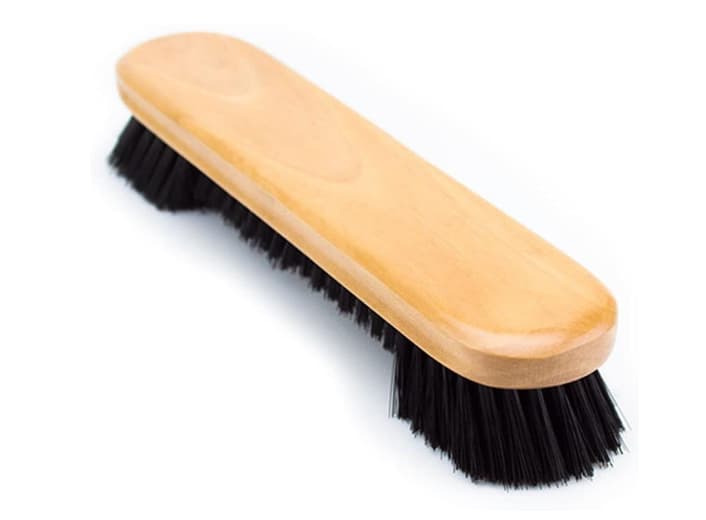
Image of a pool table brush

Selecting the Appropriate Brush

Proper maintenance of a pool table involves choosing the right type of brush. The choice depends on factors like brush material and style for effective cleaning. An understanding of different brush options can help in maintaining the table’s surface.

Types of Brushes

Different brushes are designed for specific purposes on pool tables. Nylon brushes are common due to their durability and effectiveness in sweeping away dust and dirt. They maintain a bristle shape over time, ensuring consistent performance. However, they may not be as gentle on certain cloth types compared to natural fibre brushes.

Some brushes feature a dual-level design. This style helps in reaching the harder-to-access areas, like corners and under the rails. Using a variety of brushes ensures a comprehensive clean, preserving the table’s playing condition.

Material Considerations

The material of the brush determines its impact on the cloth. Natural fibre brushes, often made from horsehair, are gentle on the table’s surface. They prevent excess wear, making them ideal for high-quality and sensitive cloths. They might be more expensive but justify the cost with their delicate handling.

Nylon brushes are an economical option and offer durability. While effective, they can be slightly abrasive. It’s essential to know the cloth type before choosing materials, as some fabrics are more resilient than others.

Best Pool Table Brush

Selecting the best pool table brush involves considering both quality and function. A popular choice is a dual-level horsehair brush, which combines gentle cleaning with comprehensive reach. This type ensures minimal impact on the cloth, extending the life of both the table and the brush.

Investing in a brush designed specifically for pool tables guarantees better care. Choosing a size compatible with the table’s width allows for efficient cleaning. By prioritizing quality, the table remains in optimal condition for gameplay.

The Brushing Process

Brushing a pool table keeps it in top shape. Ensuring smooth play involves preparing the table, brushing the felt, cleaning the rails, and finishing up.

Preparing the Table

First, clear the table of any accessories like balls and cues. Check for dirt or debris. Using a soft cloth, gently wipe the table to remove dust. Make sure the felt is dry because moisture can affect the brushing.

Look for any stains or marks. These may need special attention before brushing. A clean surface allows for effective cleaning later.

Gather the necessary materials: a table brush and a rail brush. Having everything ready makes the task more efficient and reduces interruptions during the process.

Brushing the Felt

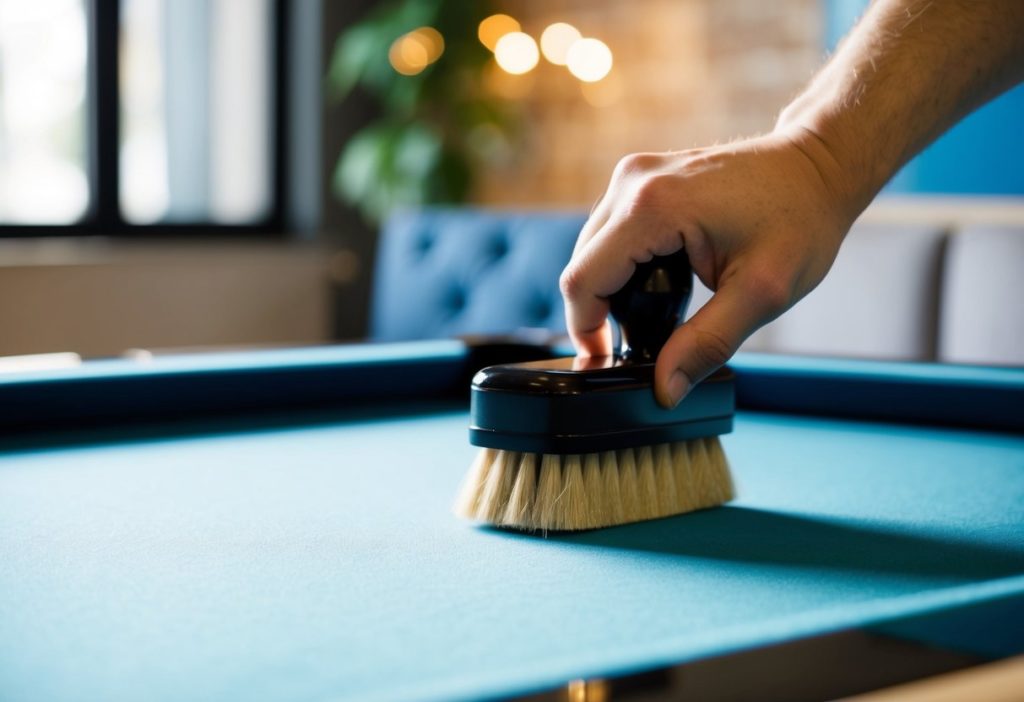
Start at one end of the table. Hold the brush tightly. Move it in straight lines, following the weave of the felt. This pattern ensures the felt remains smooth. Avoid circular motions as they can harm the fabric.

Short, gentle strokes are best. These help maintain the texture and appearance of the cloth. Pay special attention to areas that see more play, as they may hold more dust and chalk.

Be methodical in approach. Cover the entire surface steadily. Don’t rush, as careful brushing enhances the felt’s quality and extends its life.

Cleaning the Rails

Use the rail brush for this step. Like the felt, the rails gather dust and chalk. The rail brush has a design to fit these tight spots.

Swipe along the rails gently. This clears build-up without damaging the wood or finish. Rails are vital for bank shots, so proper cleaning keeps them responsive.

Inspect each rail as you go. Notice any damage or wear. If needed, call a professional to fix such issues.

Post-brushing Actions

Once brushed, use a vacuum to pick up loose dust. This ensures any debris from brushing doesn’t stay behind. Be gentle with the suction to avoid affecting the felt.

Replace the balls and other items on the table. Position them carefully to prevent marks or scrapes. Regular checks give insight into the table’s wear and can guide future maintenance.

Keep the brushes in a clean, dry place. Proper storage extends their life and keeps them ready for the next use.

Additional Pool Table Care

Proper upkeep is essential for maintaining a pool table. Using the right tools, caring for accessories, and taking protective measures can extend its life and provide a better playing experience.

Using a Vacuum Cleaner

Keeping the pool table clean is crucial. He or she can use a vacuum cleaner to remove dust and debris from the cloth. Choose a vacuum with a soft brush attachment to prevent any damage. The gentle suction will clean the surface without stretching or scratching the fabric.

Regular vacuuming keeps the surface smooth and ensures a consistent playing experience. Make sure to vacuum not just the top but also the corners and edges. This helps to prolong the life of the felt. Cleaning once a week is usually sufficient for frequent players. A clean table enhances overall performance in any game room.

Managing Table Accessories

Care for pool table accessories to maintain quality. Clean cues, balls, and racks regularly. A soft, damp cloth works well for cleaning balls, removing smudge marks and chalk dust. Cues benefit from periodic wiping to prevent dirt buildup, maintaining a smooth stroke.

Store cues in a cue rack to keep them straight and protected. This also helps in organizing them and keeping the game room neat. Check leather components, like pockets, and condition them with a suitable leather conditioner to avoid cracking. Proper care ensures accessories remain in top shape. By doing so, each item contributes to a better, more enjoyable game.

Protective Measures

To protect the table, use a pool table cover when it’s not in use. A cover shields the table from dust and sunlight, which can fade and damage the felt. It’s a simple yet effective way to prolong the table’s life.

Consider placing the table away from direct sunlight or in a controlled environment. Excess moisture or dryness can warp the wood and weaken the structure. If the pool table is in a game room, regulate temperature and humidity levels.

These measures ensure a longer-lasting, high-quality experience. Proper protection also means less frequent repairs or maintenance, adding to the table’s longevity.

Incorporating Pool Table Care into Your Routine

Taking good care of a pool table ensures optimal gameplay and extends the table’s life. Begin with regular maintenance to keep it in excellent condition. Regular brushing helps remove dust and chalk, keeping the surface smooth and clean. This enhances the playing experience by allowing balls to roll smoothly.

Dusting should also be part of the routine. Use a soft cloth to wipe corners and pockets. Among the essential tools are a brush and a vacuum with a soft brush attachment for the felt. Regularly vacuuming the felt helps remove fine debris that brushes might miss.

Make a habit of checking the table’s level weekly. An unlevelled table affects gameplay, causing balls to roll unpredictably. Also, inspect and tighten loose bolts or screws occasionally. Keeping these in check maintains the table’s stability and balance.

Consider creating a simple schedule to track regular activities. For instance, brush and vacuum the table every week, and clean the pockets monthly. Replace worn-out parts like cues or felt as needed. These steps help maintain the table and enhance the overall playing experience.

Lastly, keep food and drinks away from the table. Spills can damage the felt and influence gameplay. Encourage all players to follow this rule to ensure the table stays in prime condition for all matches.

Frequently Asked Questions

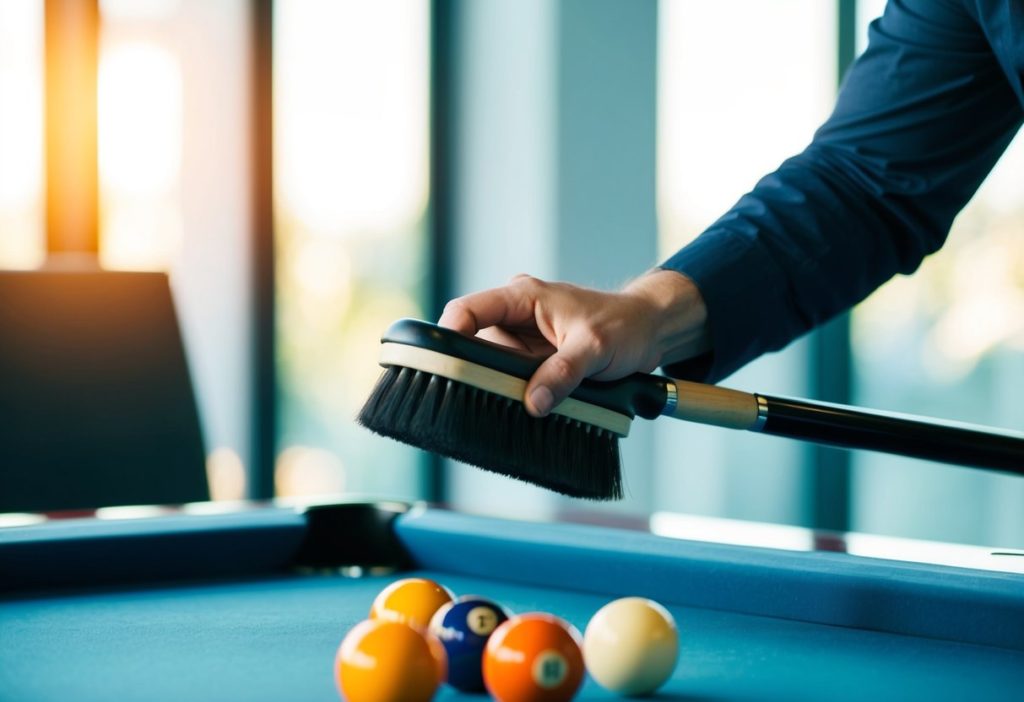
best pool table brush

Pool table felt needs special care to stay in good condition. From removing stains to choosing the right cleaning kits, the following sections provide insight into the best practices for maintaining pool table felt.

What is the recommended method to remove stains from pool table felt?

To remove stains, gently blot the area with a clean cloth. Use a mixture of cold water and a mild detergent. Avoid scrubbing, as this can damage the felt. Let the area air dry completely.

Is it possible to clean pool table felt with a homemade solution?

Yes, a mild detergent mixed with cold water works well. Avoid harsh chemicals that can harm the felt. Ensure the cloth used is soft to prevent damage. Pat the area instead of rubbing it.

Can you safely steam-clean the felt of a pool table?

Steam cleaning is not recommended for pool table felt. The heat and moisture can cause the felt to shrink or become loose. Stick to dry cleaning methods to maintain the condition of the felt.

What are the essential items included in a pool table cleaning kit?

A good cleaning kit includes a soft brush, a clean cloth, and a specialized felt cleaner. These items help keep the felt free from dust and dirt. Brushes should have gentle bristles to avoid damaging the felt.

Which product is considered the best for cleaning pool table felt?

There are several products made specifically for pool table felt. Simoniz and Quick-Clean are popular because they remove dirt without leaving residue. Choose products made for pool table felt to ensure safety and effectiveness.

How do you find a professional pool table cleaning service?

Look for services that specialize in pool table maintenance. They should have a good reputation and experience with similar tables. Reviews and recommendations from other pool table owners can be helpful in finding a reliable service.

Are You Brushing Your Pool Table Often Enough?

To prolong the life of the felt on your pool table, you should brush after every session. Doing so keeps chalk from settling and damaging the fabric. In fact, if untreated, it can change the table’s roughness and alter the cue ball’s path.

Likewise, you should cover your table after games to protect it from sunlight, dust, and other debris. Regular maintenance will be easier and less abrasive because of it. Rigorous cleaning, like brushing too hard or vacuuming, can stretch fabric and produce ripples. Worse, it can lead to thinning and ripping.

The post How to Brush a Pool Table: A Guide on the Proper Techniques first appeared on Canadian Home Leisure.

source https://canadianhomeleisure.ca/how-to-brush-pool-table/

Thursday, October 10, 2024

What Are Pool Balls Made Of? Composition and Materials Breakdown

Pool balls have come a long way since their early days. These small, round objects are essential for playing pool, snooker, and other cue sports. But what are pool balls made of? What are billiard balls made of? Are they the same thing?

what are pool balls made of

Modern billiard balls are typically made of synthetic plastic and phenolic resin. This substance offers excellent durability and consistency. It allows for precise manufacturing to meet strict size and weight standards.

Billiard balls have been made from different materials in the past. Ivory was once popular but is no longer used due to ethical concerns. Other materials like wood, clay, and celluloid have been tried over the years. Today’s phenolic resin balls provide players with reliable performance and long-lasting quality.

Historical Evolution of Billiard Balls

Billiard balls have changed a lot over time. In the early days, people made them from wood. These wooden balls weren’t very good and didn’t last long.

In the 1600s, ivory became the top choice for billiard balls. Ivory came from elephant tusks. It was smooth and heavy, perfect for the game. But getting ivory meant killing elephants, which was bad for elephant populations.

By the 1800s, ivory was getting harder to find. John Wesley Hyatt tried to make a new material to replace it. In 1869, he created celluloid. This was one of the first synthetic plastics.

Celluloid wasn’t perfect, though. It could catch fire easily and didn’t last as long as ivory. In 1907, Leo Baekeland made a new plastic called Bakelite. It worked better than celluloid for billiard balls.

Today, most billiard balls are made from phenolic resin. This material is strong, lasts a long time, and rolls smoothly. It’s also much cheaper than ivory and safer for elephants.

The switch from ivory to plastics was good for the game of billiards. It made balls more affordable and helped save elephants. Now, players can enjoy the game without harming animals.

Materials and Composition

Billiard balls have evolved from natural materials to advanced synthetic compounds. Their composition impacts performance, durability, and cost.

Ivory and Early Materials

Ivory was the top choice for billiard balls in the 19th century. It came from elephant tusks. Ivory balls were prized for their feel and sound. But they had problems. They cracked easily and were costly. Other natural materials like wood and clay were tried. None matched the ivory’s quality.

As elephant numbers dropped, makers looked for new options. This search led to the birth of plastic.

Introduction to Synthetic Materials

In 1869, John Wesley Hyatt created celluloid. It was the first synthetic plastic. Celluloid balls were cheaper than ivory. They also played well. But they had a big flaw. They could catch fire easily.

Makers kept working on better materials. They wanted balls that were safe, long-lasting, and felt good to play with.

Phenolic and Polyester Resins

Phenolic resin became the go-to material in the early 1900s. It’s made from phenol and formaldehyde. These balls are hard and dense. They last a long time and resist impacts well.

Polyester resin is another popular choice. It’s made from organic compounds. Polyester balls are known for their shine and colour. They also keep their shape well over time.

Both resins can be mixed with fillers. This changes how the balls perform.

Emerging Composite Materials

New materials are always being tested. Some makers use acrylic or epoxy resins. Others try mixing different plastics.

Composite materials are gaining ground. They blend various substances to get the best traits of each. Some use tiny bits of rubber or ceramic in the mix.

These new balls aim to play like classic ivory. But they’re tougher and more consistent. They also come in a wide range of colours and styles.

Manufacturing Process and Quality Control

what are billiard balls made of

Billiard ball production involves precise techniques to create high-quality spheres. Manufacturers use specialized methods to ensure balls meet strict standards for size, weight, and finish.

Casting and Molding Techniques

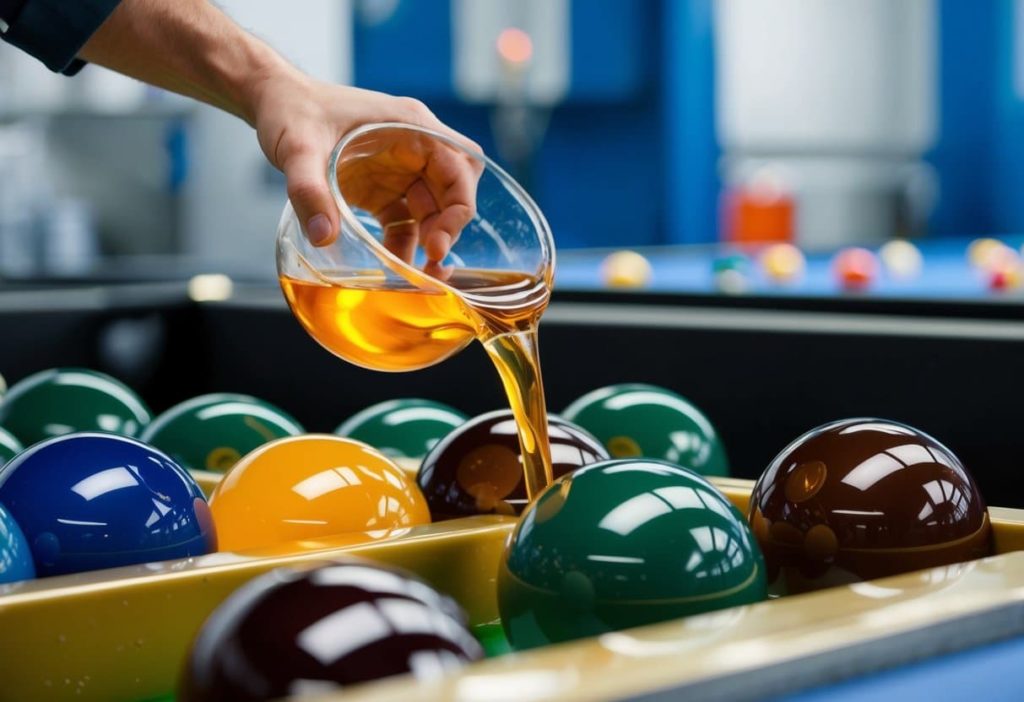
The process starts with phenolic resin or polyester. Workers heat the material until it melts. They pour the liquid into metal moulds shaped like spheres. The moulds have two halves that fit tightly together.

As the resin cools, it hardens into a rough ball shape. After cooling, machines remove the balls from the moulds. At this stage, the balls are not yet perfect spheres.

Precision and Tolerances

Makers grind the balls to exact sizes. They use special machines with very fine abrasives. These machines remove tiny amounts of material from the surface.

The goal is to create balls within 0.127 mm of the target diameter. This tight tolerance ensures fair play. Balls also must weigh between 156 and 170 grams.

Careful testing checks each ball. Any that don’t meet the standards are rejected.

Polishing and Finishing

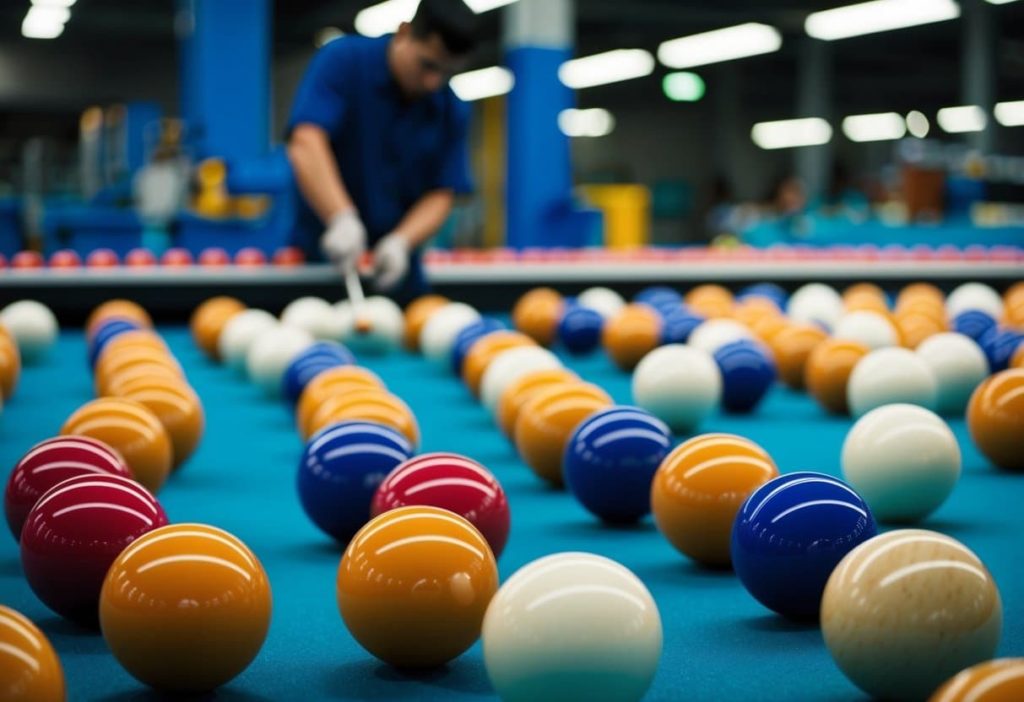
The final step is polishing. Machines use progressively finer abrasives to smooth the surface. This creates a glossy finish.

Workers inspect each ball by hand. They look for tiny flaws or marks. Only perfect balls pass this check.

Lastly, machines add numbers and logos to the balls. They use special inks that won’t chip or fade during play.

Physical Properties and Performance

what are pool balls made out of

Billiard balls have unique physical traits that affect how they behave on the table. These properties are key to the game’s precision and enjoyment.

Density and Weight

Billiard balls are dense and heavy for their size. A standard ball weighs between 156 and 170 grams. This weight gives them momentum when struck. The density is uniform throughout the ball. This ensures they roll smoothly and predictably.

Different ball sets may vary slightly in weight. But all balls in a set must be within 0.5 grams of each other. This tight range keeps play fair and consistent.

The material used affects density. Phenolic resin, a common choice, has a density close to that of ivory. This helps maintain traditional playing characteristics.

Hardness and Resilience

Billiard balls are very hard. This hardness helps them keep their shape and size over time. It also affects how they react when hit.

The hardness is measured on the Rockwell R scale. Most balls rate between 85 and 100. This high rating means they won’t dent or scratch easily.

Resilience refers to how well the balls bounce back after impact. High-quality balls have good resilience. They transfer energy well between balls and maintain their bounce over many games.

Impact Resistance and Durability

Billiard balls face constant impacts. They must withstand these forces without chipping or cracking.

Modern balls are made to last for thousands of games. They resist damage from cue strikes and collisions with other balls.

The outer layer of a ball is often tougher than its core. This protects against surface damage while keeping the ball’s overall properties intact.

Regular cleaning and care can extend a ball’s life. But even with good care, pros may replace balls after a few years of heavy use.

Balance and Roll

A billiard ball must be perfectly round and balanced. Any flaw in shape can cause it to roll off course.

The balance of a ball is checked by floating it in a salt solution. A well-made ball will not favour any side as it floats.

The surface finish of a ball affects its roll. A smooth surface reduces friction with the tablecloth. This allows for more predictable movement.

The coefficient of friction between the ball and the cloth is crucial. It’s typically around 0.2, allowing for controlled rolls and spins.

Environmental and Ethical Considerations

A factory floor with workers molding and shaping billiard balls from sustainable and non-toxic materials

Billiard balls have a complex history when it comes to their materials. In the past, ivory was the top choice for making these balls. This led to serious ethical issues.

Elephants were hunted for their tusks to produce ivory billiard balls. This practice put elephant populations at risk. It also raised concerns about animal welfare and conservation.

The shift away from ivory was a big win for elephants. Synthetic materials took over as the main ingredient for billiard balls. This change helped protect elephants and their habitats.

Today’s billiard balls are often made from plastic resins. These materials are more eco-friendly than ivory. They don’t require harming animals to produce.

Still, plastic has its environmental drawbacks. It can take a long time to break down in landfills. Some companies are looking into more sustainable options for the future.

The move to synthetic materials shows how product design can affect wildlife. It’s a good example of how changing manufacturing can help solve ethical problems.

Gameplay Experience and Maintenance

cues balls and chalk on a pool table

The materials used in billiard balls impact how they behave on the table and how long they last. Players need to understand these factors to get the most out of their game.

Influence on Spin and Speed

Phenolic resin balls offer excellent spin control. Their slightly textured surface grips the cue tip well. This allows players to apply English and create curved shots more easily. The density of phenolic resin also helps maintain ball speed after impact.

Polyester balls have a smoother surface. This can make it trickier to add spin, but they roll very true. Their lighter weight means they can travel faster initially but may slow down more quickly.

The cue ball often uses a different material than the other balls. This impacts how it reacts to shots and affects gameplay strategy.

Consistency and Playability

High-quality billiard balls maintain their shape and weight over time. This keeps gameplay fair and predictable. Aramith balls are known for their consistency. They stay round even after thousands of impacts.

Cheaper balls may become unbalanced with use. This leads to unpredictable rolls and bounces. Pros and serious players prefer balls that perform the same way every time.

Temperature can affect how balls behave. Some materials expand or contract more than others as temperatures change. The best balls stay consistent in different conditions.

Cleanliness and Longevity

Regular cleaning keeps billiard balls in top shape. A soft cloth removes chalk dust and oils from hands. This helps the balls roll smoothly and prevents staining of the cloth.

Harsh chemicals can damage ball surfaces. Mild soap and water is often enough for routine cleaning. Special billiard ball cleaners are also available.

Proper storage protects balls when not in use. A case or rack keeps them from getting scratched or chipped. Extreme heat or cold should be avoided to prevent material stress.

With good care, quality billiard balls can last for many years. Some players even pass down well-maintained sets through generations.

Regulations and Standards

A stack of colorful billiard balls made of resin, arranged in a triangular shape on a green felt-covered table

The World Pool-Billiard Association (WPA) sets the rules for billiard balls in cue sports. These rules cover games like eight-ball, nine-ball, and blackball.

WPA specs say billiard balls must be:

  • 57.15 mm (2 1/4 inches) in diameter
  • Between 156 and 170 grams in weight
  • Made of phenolic resin or other approved materials

Balls need to be perfectly round. They can’t have any dents or scratches. The numbers and stripes on the balls must be clear and easy to see.

For snooker, different rules apply. Snooker balls are smaller than pool balls. They measure 52.5 mm in diameter and weigh about 142 grams.

Many tournaments use Aramith balls. These meet all WPA standards. Some players prefer them for their durability and consistent play.

Local leagues might have their own rules. But most follow WPA guidelines. This helps keep the game fair for everyone.

Frequently Asked Questions

A line of colourful billiard balls made of resin on a green felt-covered table

Billiard balls have changed a lot over time. Different materials have been used to make them. Let’s look at some common questions about billiard ball materials.

What materials were originally used to manufacture billiard balls?

The first billiard balls were made of wood. Later, ivory became the top choice. Ivory balls were prized for their smoothness and weight. But ivory was expensive and hard to get.

What substances are contemporary billiard balls typically composed of?

Today, most billiard balls are made of phenolic resin. This is a type of plastic. It’s strong and can be made to look like ivory. Some cheaper balls are made of polyester resin.

How do the compositions of premium billiard balls differ from less expensive ones?

Premium balls often use better phenolic resin. They have more precise size and weight. Cheap balls might use polyester or lower-grade phenolic resin. They may not be as round or balanced.

What impact did the introduction of synthetic materials have on the production of billiard balls?

Synthetic materials changed everything. They made balls cheaper to produce. The new balls were more uniform in size and weight. This led to better play. It also helped protect elephants by reducing ivory use.

Can you elaborate on the differences between standard pool balls and Aramith balls?

Aramith balls are top-quality phenolic resin balls. They’re known for being very round and having perfect balance. Standard balls might not be as precise. Aramith balls also tend to last longer and keep their shine better.

How have the materials used for billiard balls evolved over the last century?

A century ago, ivory was still used for high-end balls. In the early 1900s, makers started using celluloid. By the mid-1900s, phenolic resin took over. The move to synthetics made balls more affordable and consistent.

What Types of Billiard Balls Can You Buy?

You can play an assortment of games on your billiards table with different balls and rules. The colour and diameter change most often, though some games call for different weights. The hardness (density) and polish (friction) affect playability, too. These properties can alter accuracy, reflectivity, and rolling distance.

The material of the ball also impacts gameplay. Most commonly, billiards balls are made of phenolic resin or a similar plastic. That said, some sets are made from wood, clay, and ivory.

American 8-Ball Pool Set

Balls in this set measure 2 ¼ inches in diameter. They come in two numbered suits—solids and stripes. There are 15 object balls in total (cue ball excluded).  The weight of each ball depends on its material, though the standard range is between 5 ½ and 6 ounces.

Snooker Ball Set

Snooker involves one cue ball, 15 red balls, and 6 object balls. The object balls include the following colours: yellow, green, brown, blue, pink, and black. Each ball is approximately 2 1⁄8 inches in diameter.

Carom Billiards Balls

Carom billiards sets come with the fewest balls. In fact, carom tables do not even have pockets! There are three balls in total: one yellow, one red, and one white. Each is 2 7/16 inches in diameter.

British-Style Blackball

This English variant comes with seven yellow and seven red balls, each 2 1/8 inches in diameter. Balls in this set are unnumbered besides the 8-ball (the black ball).

Training Balls

Many manufacturers sell balls not intended for real gameplay. These come in different sizes, colours, and weights, depending on their purpose. For example, some cue balls have rings as targets for new players. Different rings produce unique shots like the backspin or “English”.

The post What Are Pool Balls Made Of? Composition and Materials Breakdown first appeared on Canadian Home Leisure.

source https://canadianhomeleisure.ca/what-pool-balls-are-made-of/

Hot Tub Leak Repair Tips for Fast, Permanent Fixes

A leaking hot tub doesn’t have to mean expensive service calls or weeks of downtime; you can often locate and fix the problem yoursel...