Friday, July 19, 2024

Why Is There Foam in the Hot Tub? Eliminate Foaming Water

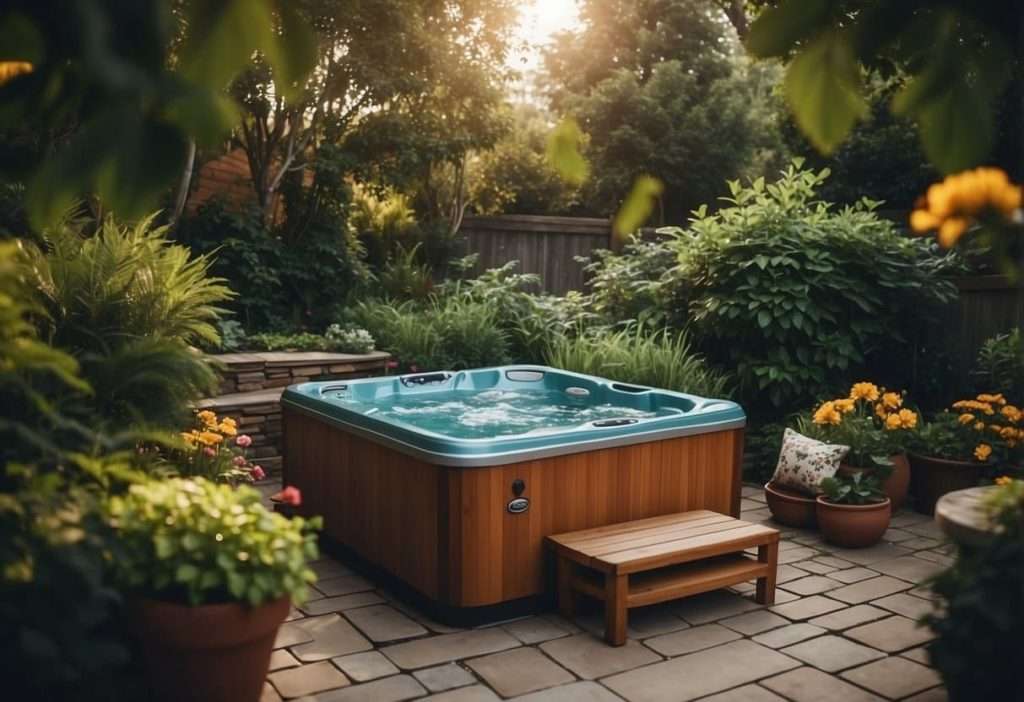
Foam in a hot tub can be a bothersome issue for many owners. Foam forms when the water is contaminated with personal care products, oils, or detergents. These contaminants react with the water, causing bubbles and foam to appear on the surface. So how do you get rid of foamy water in the hot tub without draining it? The solution is easier than you think.
Foam in Hot Tub: Solutions to Get Rid of Foamy Water

Not only does foamy water look uninviting, but it can also signal that your hot tub needs cleaning. Proper water maintenance is essential to keep foam at bay. Regularly changing the water and using the right chemicals can help maintain a clean and inviting hot tub.

Ignoring foam can lead to larger problems, such as clogged filters and damaged jets. By addressing the cause quickly and effectively, one can ensure their hot tub stays in top condition for relaxation and enjoyment.

Understanding Hot Tub Foam

Hot tub foam forms for various reasons, often influenced by external substances and chemical imbalances. It’s common to encounter foam in hot tubs due to specific ingredients in products we use daily.

Causes of Hot Tub Foam

Foam in hot tubs is usually caused by the introduction of surfactants. These are substances that reduce the surface tension of water, allowing bubbles to form. Common surfactants are found in personal care products like soap, lotion, and shampoo.

Personal care products such as body lotions and shampoos can easily wash off into the hot tub.

Laundry detergents on swimwear can also contribute to foam. Rinse swimwear thoroughly before entering the hot tub.

The Role of Surfactants

Surfactants are active agents found in many household items. They help create foam by trapping air into bubbles.

Products that contain surfactants include:

  • Bubble baths and soaps
  • Shampoos and conditioners
  • Body lotions and creams

Using these products before entering a hot tub can cause surfactants to rinse into the water, resulting in foamy residue.

Chemical Imbalance and Water Chemistry

Foam can also result from chemical imbalances in your hot tub water.

Water chemistry plays a vital role. If the levels of pH, alkalinity, or sanitizers like chlorine are incorrect, it can lead to foam formation. Keeping the water balanced helps prevent this issue.

Regular water testing and using the right chemicals are key. Ensure chlorine or bromine levels are adequate to minimize foam. Keep pH levels between 7.2 and 7.8 for optimal results.

Water Testing and Chemical Levels
why is my hot tub foaming

Maintaining the right chemical balance in your hot tub ensures clean, safe, and comfortable water. Key factors include regular water testing and adjusting pH, alkalinity, and calcium hardness levels.

Importance of Regular Water Testing

Regular water testing is essential to keep hot tub water balanced. It helps prevent skin irritation and equipment damage. Users should test water at least twice a week using test strips. These strips measure pH levels, total alkalinity, and sanitizer levels. Immediate adjustments based on test results keep your hot tub safe and pleasant. Neglecting water testing can lead to cloudy water, foam, and scale buildup.

Assessing pH and Alkalinity Levels

pH levels in a hot tub should stay between 7.2 and 7.8. A low pH can cause corrosion, while a high pH can lead to scale formation and decrease sanitizer effectiveness. Use pH increaser or pH decreaser to adjust as needed.

Total alkalinity acts as a buffer for pH and should be within 80-120 ppm. Low alkalinity causes erratic pH levels, and high alkalinity makes it hard to adjust pH. Use specific chemicals to raise or lower alkalinity based on your test strip results.

Managing Calcium Hardness

Calcium hardness levels should be between 150-250 ppm. Low levels can cause foamy water and equipment corrosion. High levels lead to calcium mineral buildup and cloudy water. Regular testing helps maintain these levels. Add a calcium hardness increaser if levels are low. If levels are high, dilute the water or use a specialized treatment to bring it back to the desired range. Proper management prevents foam and extends the life of hot tub components.

Preventing Hot Tub Foam

Keeping a hot tub free of foam involves addressing personal care residues, maintaining the equipment, and balancing the water’s chemistry.

Cleanliness and Personal Care Residues

Foam often comes from leftover products people use. Lotions, soaps, and hair products can get mixed with hot tub water. These residues create foam when the jets are turned on.

Before entering the hot tub, individuals should shower to remove any lotions, oils, or soaps from their skin. Wearing a swim cap can also help prevent hair products from entering the water.

Encouraging guests to rinse off before using the hot tub can make a big difference. Posting reminders near the hot tub area can be beneficial.

Proper Hot Tub Maintenance

Regular maintenance is key to preventing foam. Filters should be cleaned monthly to remove any debris or residues. Draining and refilling the hot tub every three to four months helps keep the water fresh.

Checking for any clogs or buildup in the hot tub’s system is crucial. Regularly inspecting the jets and pipes ensures everything is working correctly.

Using a cover when the hot tub is not in use can prevent debris from entering the water. This practice also reduces the evaporation rate, maintaining the water level and quality.

Balancing Water Chemistry

Unbalanced water chemistry can cause foam. Ensuring the right levels of pH, alkalinity, and sanitizer is crucial. pH levels should be between 7.2 and 7.8. Alkalinity should be between 80-120 ppm.

Using test strips or kits, check the water chemistry at least once a week. Adjust chemicals as needed to maintain balance.

Shock treatments can be used to clear any lingering contaminants. If foam persists, consider using a defoamer as a temporary solution.

Knowing the chemical levels and adjusting them as needed prevents foam and keeps the water safe and clean.

Troubleshooting and Solutions

Clearing foam in a hot tub involves cleaning, using anti-foam chemicals, or sometimes draining and refilling the tub. These solutions help eliminate contaminants, cloudy water, and persistent foam problems.

Effective Cleaning Methods

Regular cleaning is crucial to prevent foam in a hot tub. Clean the filter every 2-3 weeks to remove contaminants. Use a line flush to clean out the plumbing system every 3-4 months. This helps remove any built-up oils and lotions that can cause foaming.

Wipe down the hot tub surfaces with a mild, non-abrasive cleaner. This keeps grime and buildup at bay. Keep a regular cleaning schedule to ensure your water stays clean and clear, preventing foam and cloudy water.

Using Anti-Foam Chemicals

Anti-foam chemicals are effective for quick foam removal. Add hot tub defoamer directly to the water as per the manufacturer’s instructions. These chemicals break down the surface tension of the water, causing foam to dissipate.

For ongoing foam problems, use a hot tub sanitizer regularly. Sanitizers kill bacteria and prevent contaminants from accumulating. Consider using an enzyme-based cleaner which can break down oils and lotions that may not be fully removed by traditional cleaning methods.

When to Drain and Refill

Sometimes, draining and refilling is necessary. If foam remains after cleaning and using chemicals, it could indicate that the water is too saturated with chemicals and contaminants. Drain the hot tub every 3-4 months to keep the water fresh.

Before refilling, clean the entire hot tub, including the filter and jets. This ensures there are no lingering contaminants. Once refilled, balance the water chemistry with the appropriate sanitizers and chemicals.

By following these steps, you can maintain clear, foam-free water in your hot tub. Regular maintenance and proper chemical use are key to solving foam problems.

Ensuring Optimal Water Health
how to get rid of bubbles in hot tub

Maintaining healthy water in a hot tub is crucial. Key practices involve systematic water circulation, managing chemicals wisely, and preventing biofilm buildup. These measures ensure the tub remains a relaxing and safe environment.

Systematic Water Circulation

Water circulation is vital for even distribution of chemicals. Effective circulation helps prevent stagnation, which can lead to bacteria growth. Running the pump for at least 20 minutes a day keeps the water moving. Use filters to trap debris and replace them regularly.

Cleaning Tips:

  • Clean filters monthly with white vinegar.
  • Run the jets daily.

Good circulation also assists in removing contaminants and keeping the water clear.

Hot Tub Chemical Best Practices

Balancing hot tub chemicals is key. Sanitizers like chlorine and bromine kill harmful bacteria. Regular water testing helps maintain ideal levels.

Chemical Tips:

  • Test water 2-3 times a week.
  • Use an alkalinity increaser if needed.
  • Add baking soda to adjust pH.

Proper management of water hardness ensures the water isn’t too harsh on the skin or equipment.

Preventing Biofilm Buildup

Biofilm buildup can clog systems and harbour bacteria. Biofilms form when organic matter sticks to surfaces. Regular cleaning and shocking the water can prevent these issues.

Preventive Measures:

  • Use hot tub-specific cleaners.
  • Shock the water with chlorine weekly.
  • Add vinegar to the water during cleaning.

Keeping the hot tub covered when not in use can also reduce the risk of contaminants entering and forming biofilms.

Long-Term Maintenance Strategies
what causes foam and bubbles in hot tub

Regular maintenance is key for hot tubs. Consistent cleaning helps prevent hot tub foam and keeps it in top shape.

Weekly Tasks:

  • Skim the surface to remove debris.
  • Clean the filter with water.
  • Check water levels.

Monthly Tasks:

  • Use a filter cleaner to deep clean the filter.
  • Check and balance chemicals.
  • Inspect the cover and clean it.

Every 3-4 Months:

  • Drain and refill the hot tub.
  • Use a surface cleaner on the shell.
  • Clean all accessories.

Tips to Prevent Foam:

  1. Shower Before Use: Removes oils and lotions.
  2. Limit Soap Residue: Rinse swimsuits well.
  3. Balance Chemicals: Ensure proper pH and sanitizer levels.

Following these steps helps get rid of hot tub foam and keeps the water clear.

Frequently Asked Questions
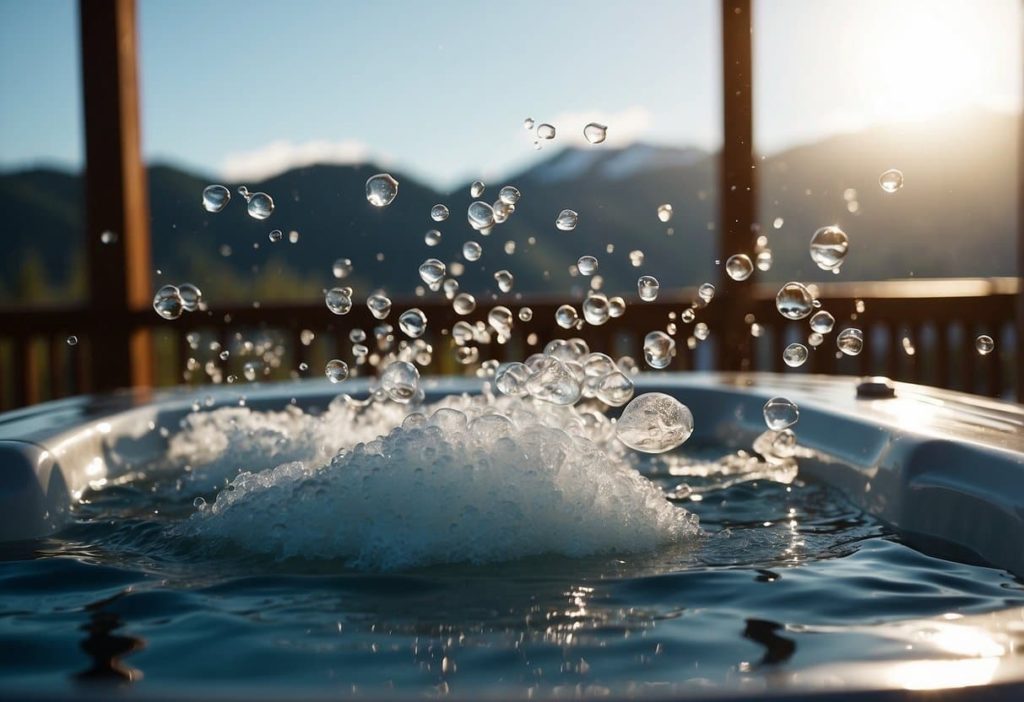
Foam bubbles rise in a hot tub, obscuring the water's surface. Jets of water agitate the foam, creating a frothy, bubbly texture

Learn why your hot tub foams, how to reduce it, and the health implications. Discover natural methods, check pH levels, and manage foam after shocking your hot tub.

Why does my hot tub foam when the jets are on?

Foam forms when there are high levels of organic materials like lotions, oils, and soaps in the water. These substances create bubbles when mixed with the air from the jets. The bubbles then surface and create foam in your hot tub.

How can I reduce the amount of foam in my hot tub?

Regularly clean the filters every three to four months to keep the water cleaner. Regularly change the water every three to four months to get rid of what the filters can’t clean. Encourage users to rinse off before entering to keep lotions and oils out of the water.

Can hot tubs cause health issues?

Using a foamy hot tub can lead to skin irritation or infections. Foam can trap bacteria and other contaminants, which might not be thoroughly filtered or sanitized. Biofilm becomes more of a risk to health the longer left untreated or cleaned.

Are there natural methods to eliminate foam in a hot tub?

Yes, regular maintenance and water balance can naturally reduce foam. Use vinegar or baking soda to clean the tub, and ensure everyone rinses off before use. Cleaning your filter regularly can ensure the water stays cleaner.

Could the pH levels in my hot tub be causing excess foaming?

Yes, incorrect pH levels can contribute to foaming. Keep the pH between 7.2 and 7.8 to maintain water balance and help prevent foam. You should be testing your water on a regular basis for optimum water conditions.

What steps should I take after shocking my hot tub to avoid foam?

After shocking, run the jets to help distribute the chemicals. Check and adjust the pH levels, and remove any leftover debris or contaminants to prevent foam buildup.

The post Why Is There Foam in the Hot Tub? Eliminate Foaming Water first appeared on Canadian Home Leisure.

source https://canadianhomeleisure.ca/get-rid-of-foam-in-hot-tub/

Tuesday, June 11, 2024

Hot Tub in the Summer: Innovative Tips for Maximum Enjoyment

Hot tubs may seem counterintuitive for summer use, but they offer numerous benefits and opportunities to relax. You can transform your hot tub into a cool retreat by simply lowering the water temperature. This approach allows you to enjoy a refreshing soak without the intense heat that typically accompanies a traditional hot tub experience. Here we’ll explore the different ways to use your hot tub in the summer for maximum enjoyment!

Hot Tub in the Summer: Innovative Tips for Maximum Enjoyment

You can use your hot tub in the summer differently by incorporating aromatherapy. Adding essential oils like lavender or eucalyptus can enhance your relaxation and create a spa-like atmosphere right in your backyard. Aromatherapy combined with the gentle water currents provides a unique rejuvenating experience.

For those who enjoy socializing, a hot tub can serve as the centrepiece for summer gatherings. Hosting an evening hot tub party can be a fun way to bring friends together. Set up some ambient lighting and outdoor music for an unforgettable summer night.

Benefits of a Hot Tub in Summer

Taking advantage of a hot tub in summer can be very rewarding.

Relaxation: A hot tub is perfect for unwinding after a long day. The warm water helps to relax the muscles and soothe the mind.

Health Benefits: Using a hot tub provides many health benefits, like improved blood circulation and lower blood pressure.

Hydrotherapy: The therapeutic effects of hydrotherapy from a hot tub can alleviate joint pain and muscle soreness.

In the warm summer months, a hot tub can still be refreshing if the temperature is adjusted properly.

Socializing: It can serve as a great spot for family gatherings or parties, creating a communal space for relaxation.

Improved Sleep: Spending time in a hot tub before bedtime can promote better sleep patterns, making it easier to fall and stay asleep.

Stress Relief: The gentle massaging action of the jets helps to reduce stress and tension.

A hot tub in the summer offers a unique blend of enjoyment and wellness, making it a valuable addition to any home.

Optimizing Temperature for Summer Use

Setting the right temperature for your hot tub in the summer can enhance your experience, whether you seek a refreshing dip during the day or a cozy soak in the evening.

Cooling Down with a Dip

During hot, sunny days, keeping the water at a lower temperature helps create a refreshing escape. Lower the temperature to around 26-29°C (78-84°F) to comfortably cool down while still enjoying the hot tub’s various features.

Ensure the hot tub’s cover is on when not in use to maintain this cooler temperature. This prevents the water from heating up excessively under the sun.

For an even cooler experience, consider briefly adding ice or cold water before your dip. This can further reduce the water temperature without overworking the tub’s cooling system.

Warm Evening Soaks

As the evening cools down, a warmer soak becomes more appealing. Setting the water temperature to around 35-37°C (95-98°F) can create a soothing and relaxing environment. This temperature is warm enough to relax your muscles but not too hot to cause overheating.

Arrange for the hot tub to start warming up a few hours before your planned soak. This ensures the water reaches the desired temperature in time.

Adding aromatic oils or bath salts can enhance the experience, making your evening soak even more enjoyable and restful.

Transforming Your Hot Tub for Social Gatherings

hot tub cool in summer for social gathering

Enhance your hot tub experience by hosting social events that bring friends and family together. Utilize entertainment systems and thoughtful planning to make memorable gatherings.

Hosting a Hot Tub Party

A hot tub party is a perfect way to enjoy summer evenings. Plan seating around the hot tub for those not in the water, providing comfortable chairs and cushions. Ensure there are ample towels and robes for guests.

Offer refreshments such as fruit platters, light snacks, and beverages. You can set up a small table nearby for this purpose. Lighting is crucial; use outdoor lanterns or fairy lights to create a welcoming atmosphere.

Encourage guests to bring swimsuits and plan games or activities suitable for the hot tub setting. Floating accessories like drink holders add a fun element and convenience.

Incorporating Music and Entertainment

Music enhances the ambiance of your hot tub gatherings. Invest in waterproof speakers or a sound system that can withstand outdoor conditions. Create a playlist that caters to your guests’ tastes and ensures a seamless auditory experience.

Consider adding visual entertainment with a portable projector to screen movies or shows near the hot tub area. For a more interactive experience, organize fun games or activities tailored to outdoor settings.

Outdoor furniture arranged comfortably can encourage conversation and create a cozy environment. Ensuring the entertainment system is easy to control and weather-resistant is key for a worry-free event.

Family and Friends Get-Togethers

For more intimate gatherings, plan activities that cater to both adults and children. Prepare board games or card games that are easily accessible from the hot tub area.

Provide a mix of seating options to accommodate everyone, from loungers to bean bags. Keep safety in mind, especially with children around the hot tub; always supervise and set clear rules.

Refreshments should be family-friendly, including non-alcoholic drinks and snack options for kids. Focus on creating a relaxed atmosphere where everyone can enjoy the social season without stress.

Enhancing Relaxation and Healing

Making the most of your hot tub in the summer can greatly enhance relaxation and promote healing. By focusing on hydrotherapy sessions, soothing sore muscles, and unwinding after a long day, you can experience maximum benefits.

Hydrotherapy Sessions

Hydrotherapy involves using water to relieve discomfort and promote physical well-being. Regular hydrotherapy sessions in a hot tub can help to reduce stress, improve circulation, and alleviate pain. The warm water helps to relax muscles and joints, making it easier for blood to flow through your body. Buoyancy reduces the weight on your joints, providing relief for conditions such as arthritis. Creating a routine of short, consistent sessions can enhance your body’s healing process and improve mental well-being.

Soothing Sore Muscles

After physical activity, soaking in a hot tub can soothe sore muscles effectively. The warm water increases blood flow, which helps to deliver oxygen and nutrients to the muscles, aiding in faster recovery. Jet streams can be used to target specific areas of your body, massaging the muscles and reducing tension. Incorporating Epsom salts into your soak can further enhance muscle relaxation by supplementing magnesium, which is essential for muscle function. This method can be particularly beneficial after workouts or long periods of physical work.

Unwinding After a Long Day

A hot tub can be an excellent tool for unwinding after a long day. The combination of warm water and buoyancy creates a calming environment that helps the body and mind to relax. Adding aromatherapy oils, such as lavender or eucalyptus, can enhance the experience by promoting relaxation and reducing stress. Setting aside time each evening to soak can help to establish a healthy routine for relaxation. Reducing screen time and incorporating quiet, meditative practices while in the hot tub can further amplify the soothing effects.

Using your hot tub effectively in these ways can help you relax, heal, and enjoy the summer months even more.

Maintaining Your Hot Tub in Summer Conditions

Maintaining your hot tub during summer ensures it remains in excellent condition and provides a safe, enjoyable experience. Pay special attention to circulation, weather impacts, and humidity adjustments.

Effective Circulation

Circulating water in a hot tub is vital during the summer to prevent bacteria and algae growth. Set the pump to run several times a day, especially if the tub is used frequently. Use timers or automated systems to maintain consistency.

Filter maintenance is crucial. Clean filters weekly, or more often if the tub is under heavy use. Replace them every six months.

Water testing ensures chemical balance. Check pH levels and sanitizer concentrations at least twice a week using test strips or digital testers. Proper chemical adjustments help in maintaining water clarity and safety.

Handling Rain and Sunlight

Exposure to rain and sunlight can affect a hot tub’s condition. Use a high-quality cover to shield the tub from direct sunlight and heavy rain. This helps prevent water contamination and prolongs the life of your hot tub.

Sun protection: UV rays can degrade the hot tub’s shell and components. Apply a UV protectant to the exterior surfaces to prevent fading and cracking. Keep the chemical levels in check to avoid any reaction with sunlight.

Rain impacts: After a rainstorm, check the water chemistry. Rainwater can dilute chemicals, so rebalance the water by adjusting pH, alkalinity, and sanitizer levels accordingly. Drain excess water if needed to prevent overflow.

Adjusting for Low Humidity

Low humidity in summer can cause water to evaporate faster, affecting water levels and chemical balance. Check and top up water levels regularly to keep the hot tub running efficiently.

Evaporation control: Use the cover when the hot tub is not in use to minimize water loss. It also reduces energy consumption by maintaining water temperature.

Chemical stability: Regularly monitor and adjust chemical levels to accommodate for evaporation effects. Consistent water checks and proper use of stabilizers help maintain the necessary chemical balance.

Effective adjustments ensure that the hot tub remains functional and safe for summer use.

Creating the Perfect Backyard Ambiance

does a hot tub have to be hot to have the prefect ambiance (lights help)

Transforming your backyard into a welcoming oasis involves thoughtful planning around shade, lighting, and privacy. Integration with other backyard elements adds a seamless and harmonious feel to the overall design.

Shade and Lighting Solutions

Providing shade ensures comfort during the sunniest parts of the day. Options include installing a gazebo, using large patio umbrellas, or setting up a pergola with climbing plants.

Layers of lighting create atmosphere and functionality. Use solar-powered lights for pathways, hang string lights for a festive touch, and add LED strips around the hot tub for safety. Well-planned lighting allows enjoyment of the hot tub from dawn until late evening.

Adding Privacy Features

Creating privacy is crucial for a relaxing experience. Installing tall fences or privacy screens allows seclusion. Planting shrubs or bamboo creates natural barriers that blend into the environment.

Consider erecting a pergola with curtains for adjustable privacy. Water features like fountains also enhance privacy by masking noises from the surroundings. These elements create a private and intimate backyard space.

Integrating with Other Backyard Elements

Harmonizing the hot tub area with other backyard features ensures a cohesive look. Position the hot tub near an outdoor kitchen or seating area for easy access between entertainment zones. Adding decorative elements, such as matching planters or furniture, ties the design together.

Incorporating natural materials like wood or stone around the hot tub maintains a consistent aesthetic. These thoughtful integrations create a beautiful and functional backyard oasis.

Innovative Hot Tub Uses in Warm Weather

Enjoying your hot tub in the summer can be a rewarding experience when embracing various creative uses. These include optimal timing for soaks, transforming your hot tub into a mini pool, and using it for a cooling dip.

Morning and Evening Soaks

Starting or ending your day with a hot tub session can set a relaxing tone. Morning soaks can help ease you into the day by gently loosening stiff muscles and preparing your body for activity. It’s especially enjoyable during the cooler early hours of the summer months.

Evening soaks, on the other hand, are perfect for unwinding after a busy day. The cooler evening air combined with the warm water can promote relaxation and improve sleep. Ensuring that the surrounding lighting is soft can enhance this soothing experience.

Hot Tub as a Mini Pool

In the summer, a hot tub can double as a mini pool. By lowering the temperature to a more refreshing level, individuals can enjoy a comfortable swim. This is particularly useful for small yards where installing a full-size pool isn’t feasible.

Children often enjoy the novelty of a mini pool. Parents can also appreciate the safety of a smaller, more controlled environment. Adding water toys and games can further enhance the enjoyment.

Cool Dip on a Hot Day

Using a hot tub for a cool dip on scorching summer days is a refreshing change. Set the temperature to the lowest setting or turn off the heater completely. The water can then absorb the surrounding coolness, providing an invigorating retreat from the heat.

This approach is especially delightful during outdoor gatherings. Friends and family can take turns dipping into the cool tub, enjoying a brief respite from the summer sun. For extra coolness, adding a few ice cubes might surprisingly enhance the experience.

Hot Tub Care and Accessories

how to use hot tub with accessories

Proper hot tub maintenance and selecting the right accessories can enhance your experience significantly. Paying attention to selecting the right products, protecting your hot tub, and ensuring regular service is key.

Choosing the Right Products

Using the correct chemicals and cleaning agents ensures the longevity of your hot tub. Choose bromine or chlorine tablets for sanitation. Opt for non-abrasive cleaners for the shell and avoid products with harsh chemicals.

Water testing kits are essential for maintaining balanced water pH levels. Use test strips or liquid kits to check and adjust pH, alkalinity, and calcium hardness. Enzyme products can help reduce biofilm and oil buildup, maintaining clearer water.

Cover and Protection

A high-quality hot tub cover is crucial for insulation and protection. Look for covers made from marine-grade vinyl and include a foam core for better insulation. Ensure it fits snugly to prevent debris from entering the water.

Consider using a cover lifter for easier handling and to prevent wear and tear. Additionally, investing in a cover conditioner and cleaner extends the lifespan and maintains its appearance. Regularly inspect the cover for damage and replace it when necessary.

Hot Tub Service

Consistent servicing is vital to keep the hot tub running efficiently. Schedule professional maintenance checks at least twice a year. During these checks, technicians will inspect and clean the filters, pumps, and heaters.

Check the filter every month and clean it to prevent clogs. Replace it semi-annually or as recommended by the manufacturer. Drain and refill your hot tub every three to four months to maintain optimal water quality.

By focusing on these key areas, you can ensure a clean, enjoyable, and long-lasting hot tub experience.

Health and Wellness Activities

A hot tub sits in a lush backyard, surrounded by greenery. A person is using it for relaxation, while another is exercising in the water

Incorporating a hot tub into your summer routine can provide various health benefits, including opportunities for exercise and relaxation, such as stargazing at night.

Exercise in the Hot Tub

Exercising in a hot tub combines fitness with relaxation. It offers a low-impact way to improve cardiovascular health and muscle strength. Water resistance adds an extra layer of difficulty to exercises, making movements like leg lifts, arm circles, or light jogging more effective.

This environment can also enhance flexibility and reduce muscle soreness. The warm water helps to loosen tight muscles and increase blood circulation, promoting healing and reducing pain from injuries or arthritis.

Creating a balanced routine that includes both aerobic and anaerobic activities can enhance overall physical health.

Stargazing and Relaxation

Hot tubs offer a unique space for stargazing, an activity that promotes relaxation and mental health. The warm water and soothing jets help to reduce stress and anxiety, creating the perfect setting to unwind after a long day.

Stargazing from a hot tub adds an element of tranquillity. The absence of light pollution in the backyard allows for a clear view of the night sky. This peaceful environment can encourage mindfulness and offer a break from daily routines.

Combining the benefits of hydrotherapy with the calming effects of stargazing provides a holistic approach to wellness.

Designating a Hot Tub as a Focal Point

prep your hot tub for summer as the focal point

Using a hot tub effectively can elevate your outdoor space. By developing a spa routine and building social connections, you can make your hot tub the centre of relaxation and interaction.

Developing a Spa Routine

Creating a consistent spa routine enhances the health benefits of using a hot tub. Begin by scheduling regular days and times for soaking. This approach helps in reducing stress and improving sleep patterns.

Hot tubs are excellent for muscle relaxation. Incorporate light exercises or stretching while soaking to further alleviate tension. Adding aromatherapy oils boosts the experience.

Use the hot tub before bedtime to create a calming transition into sleep. The warmth and buoyancy can relax the body, making it easier to fall asleep. Tracking your experiences in a journal can also help in refining your routine for maximum benefit.

Building Social Connections

A hot tub can be a social hub. Invite friends and family for regular gatherings. Hot tubs provide a relaxed atmosphere conducive to conversations and bonding.

Plan mini-events centred around the hot tub. For instance, have a weekly “spa night” or informal get-togethers. Sharing this space can strengthen relationships and create lasting memories.

Consider the seating arrangement around the hot tub to encourage interaction. Adding comfortable chairs and a small table nearby can make guests feel welcome. This setup turns the area into a versatile space for both relaxation and socialization.

Adapting to Summer Weather Patterns

using a hot tub in the summer

During summer, utilizing your hot tub can be an enjoyable and refreshing experience, whether it’s a rainy day or a particularly hot and humid one. There are a few key methods for making the most out of your hot tub in varying weather conditions.

Refreshing Rainy Day Soaks

Taking a soak in your hot tub during a rain shower can be a uniquely relaxing experience. The sound of rain hitting the water and the cooler air temperature can create a soothing environment. Make sure the tub is shielded from heavy downpours or lightning.

Using a gazebo or umbrella can provide additional protection while allowing you to enjoy the cooling effects of the rain. Keep a dry towel nearby to dry off quickly when you exit the tub. This setup can provide an enjoyable, refreshing break from the summer heat.

Dealing with Summer Heat and Humidity

When the summer heat becomes intense, it’s important to adjust hot tub usage to remain comfortable. Lowering the water temperature to a more tepid level can help maintain a comfortable soak without overheating. Setting it around 30 degrees Celsius is usually effective.

To combat humidity, using the hot tub in the early morning or late evening can be ideal. These times typically offer cooler temperatures and less direct sunlight. Adding a few drops of peppermint or eucalyptus oil to the water can also provide a refreshing and cooling sensation. Always remember to stay hydrated by drinking plenty of water before, during, and after your soak.

Maximizing Therapeutic Effects

A hot tub surrounded by lush greenery, with steam rising from the water. Sunlight filters through the leaves, casting dappled shadows on the surface. A small table nearby holds a refreshing drink

A hot tub is not just for relaxation; it can also provide significant therapeutic benefits. Focus on using your hot tub to alleviate specific conditions like arthritis discomfort and back pain.

Reducing Arthritis Discomfort

Hot tubs can help reduce arthritis discomfort through hydrotherapy. The combination of heat and water jets can improve blood circulation and reduce joint stiffness.

Regular use of the hot tub helps to increase blood flow, which can relieve sore muscles and swollen joints. Specific jets target different parts of the body, allowing for customized relief.

Control the water temperature to stay between 37°C and 40°C. This ensures the muscles are warm enough to relax without overheating. Gentle stretching exercises while in the hot tub can also enhance flexibility and range of motion.

Easing Back Pain

Easing back pain is another significant benefit of hot tub use. Warm water therapy can reduce muscle tension and improve blood flow to the lower back area.

Positioning the body so the jets target the back can provide a massage-like effect. This helps to alleviate tension and soreness. Ensure that the water temperature is comfortable to avoid any strain on the muscles.

Using the hot tub regularly, ideally after physical activity, can help prevent back pain and maintain muscle health. Stretching exercises in the hot tub can complement the therapeutic effects, fostering better posture and relieving chronic pain.

Leveraging Entertainment and Fun

what temperature to keep hot tub at when not in use

Incorporating entertainment and fun into your hot tub experience enhances relaxation and creates memorable moments. Consider adding water games and activities for extra fun or preparing hot tub-friendly snacks for a delightful barbecue.

Water Games and Activities

Water games can transform your hot tub into a hub of excitement. Simple options like floating ping-pong or waterproof playing cards are great for all ages. For those who enjoy a bit of sport, water basketball or volleyball can provide an energetic touch.

Organizing a scavenger hunt using small waterproof items is another way to engage guests. A party atmosphere can be enhanced with floating LED lights and a built-in entertainment system that plays music or karaoke tracks.

Hot Tub-Friendly Snacks for a Barbecue

Snacks that are easy to eat while lounging in the hot tub add to the BBQ experience. Skewers like fruit kabobs or grilled vegetables are simple to handle and a hit at gatherings. Mini sandwiches or wraps avoid the mess and are convenient.

Cold pasta salads kept in small, reusable containers can be passed around easily. It’s also a good idea to have beverages on hand, both alcoholic and non-alcoholic, to keep everyone refreshed. Ensure that snacks are kept in containers that float to prevent spills and maintain cleanliness.

Frequently Asked Questions

A hot tub surrounded by lush greenery, with a refreshing drink placed on the side. The sun is shining, and a towel is draped over the edge, inviting relaxation

Using a hot tub in the summer offers unique ways to enjoy the warm weather. Here are answers to some common concerns.

How can I quickly lower the temperature of my hot tub during the warmer months?

To lower the temperature quickly, use the “summer mode” setting if available. Additionally, just add cold water to off set the temperature instantly!

Is it advisable to operate a hot tub without heat, and if so, how might that affect the experience?

Operating a hot tub without heat is possible and can be refreshing in the summer. The jets still provide a relaxing massage, but the water will be closer to ambient temperature.

What are some creative ways to enhance the enjoyment of my hot tub in the summertime?

Try adding floating drink holders for refreshments, using waterproof speakers for music, or setting up outdoor lighting for a serene evening soak.

What maintenance steps should I consider if I plan to leave my hot tub empty throughout the summer season?

Drain and clean the hot tub thoroughly to prevent mould and mildew. Ensure all components are dry, and consider placing a tarp over the tub to protect it from debris.

At what temperature should I set my hot tub during the summertime for optimal comfort?

Set the hot tub temperature to around 29-32°C to provide a cooler, more refreshing experience that contrasts with the outdoor heat.

Is it possible to use my hot tub with cold water, and what are the implications for summer use?

Yes, you can fill the hot tub with cold water for a refreshing dip. Reducing the temperature reduces energy consumption and provides a cooling effect similar to a small pool.

The post Hot Tub in the Summer: Innovative Tips for Maximum Enjoyment first appeared on Canadian Home Leisure.

source https://canadianhomeleisure.ca/hot-tub-in-the-summer/

Wednesday, May 8, 2024

What’s the Minimum Temperature for a Hot Tub in Summer? Optimal Settings Explained

Several factors determine the minimum temperature for a hot tub in summer, such as user preference, health, and safety concerns. The standard recommended range for hot tubs is typically between 100-102°F (37-39°C) although the maximum limit often stands at 104°F (40 °C). However, during summer, maintaining a temperature at the lower end of this range guarantees a comfortable and refreshing experience.

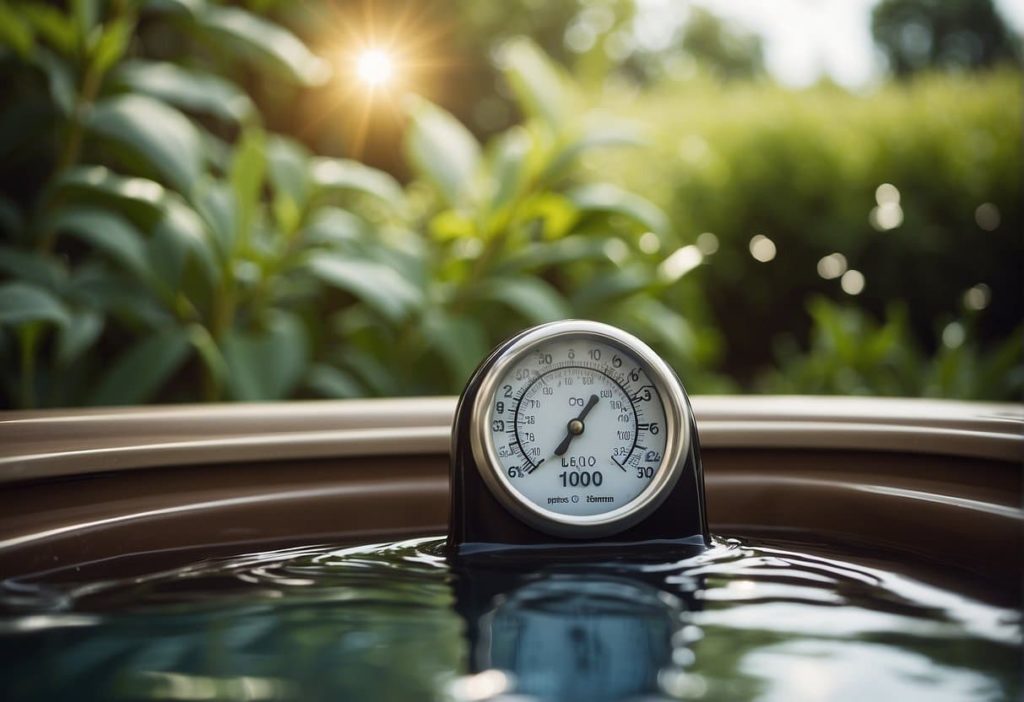
Minimum Temperature for Hot Tub in Summer (thermometer reads 100 degrress celsius)

During the warm summer months, hot tub owners need to maintain an optimal temperature for the comfort and safety of their guests. An appropriate minimum temperature not only enhances the relaxation experience but also ensures energy efficiency, thus saving costs. This article will discuss the ideal minimum temperature range for hot tubs in summer and the factors that contribute to finding the perfect balance.

Additionally, it’s vital to consider the health and age of individuals using the hot tub, as the recommended temperatures can vary depending on the specific user profile. Pregnant women, young children, and individuals suffering from certain medical conditions should opt for lower-temperature settings. As a hot tub owner, keeping these factors in mind will help you create a desirable environment for all your guests throughout the summer months.

Understanding Hot Tub Temperatures

Fundamentals of Water Temperature

When it comes to hot tubs, selecting the appropriate water temperature is crucial for ensuring a comfortable and enjoyable experience. The minimum temperature for hot tubs during summer months is typically around 85°F (29°C), while the maximum temperature is recommended not to exceed 104°F (40°C). This range provides a comfortable and safe experience for most users.

A more comfortable temperature often falls within the range of 98°F (37°C) to 102°F (39°C). This range is ideal for the majority of hot tub users and promotes relaxation. However, it is important to note that individual preferences may vary, and users should select a temperature that suits their personal comfort level.

The Role of Climate in Hot Tub Temperature Selection

Climate plays a significant role in determining the appropriate hot tub water temperature. For example, during summer months, direct sunlight and warmer weather can cause the water to heat up quickly. On the other hand, shade from trees or overhangs can keep the water cooler for longer periods. Therefore, hot tub users need to consider the surrounding environment when choosing their ideal hot tub temperature.

Here is a brief overview of factors to consider when selecting hot tub temperature during summer:

  • Air temperature: Higher air temperature during summer can cause the water to heat up more quickly, and thus, a lower water temperature may be more desirable.
  • Sunlight exposure: Direct sunlight can significantly warm up the water temperature, so it is essential to account for the hours of sunlight exposure when determining the ideal water temperature.
  • Shade: Covering your hot tub with shade or installing it under a tree can help maintain a cooler and more comfortable water temperature during the hot summer months.

By understanding the fundamentals of water temperature and considering the role of climate, hot tub users can select the most appropriate temperature for their hot tub during summer. This will ensure a safe, comfortable, and enjoyable experience for all users.

Health and Safety Considerations

can you use a hot tub with cold water in the summer

Safe Temperature Ranges for Different Users

When it comes to hot tub temperature settings, different user groups have specific recommended ranges for safety and health reasons. The following table outlines the safe temperature ranges for various users:

User Group Safe Temperature Range (°F)
Children 95-104
Healthy Adults 100-104
Pregnant Women 97-100
Elderly 95-100

Children should not be exposed to temperatures above 104°F due to their increased risk of heat stroke and dehydration. Supervision is recommended to ensure they stay within the safe temperature range.

For healthy adults, a temperature range of 100-104°F is considered safe. However, it’s best to limit hot tub usage to 15-20 minutes per session to avoid health risks associated with prolonged exposure to elevated temperatures.

Pregnant women should consult with their healthcare provider before using a hot tub, as temperatures above 100°F can cause increased blood pressure and other health issues during pregnancy. A safe temperature range is 97-100°F, and close monitoring is advised.

The elderly have a higher risk of experiencing blood pressure fluctuations and heat-related illnesses. It is recommended that they maintain a temperature range of 95-100°F and closely monitor their time in the hot tub.

Preventing Health Risks with Proper Temperature Management

Proper temperature management is crucial for ensuring health and safety, as it not only helps prevent heat stroke and blood pressure issues but also aids in controlling bacteria growth. The Consumer Product Safety Commission recommends keeping hot tub water temperature no higher than 104°F.

Regularly monitoring and adjusting the pH levels of the hot tub water is essential for preventing bacterial growth, which can pose health risks. The ideal pH level should be between 7.2 and 7.8 to maintain a safe and bacteria-free environment.

Implementing proper hygiene practices, such as showering before entering the hot tub and regularly cleaning the tub and filters, can further assist in reducing bacteria levels and maintaining an optimal environment for users.

In summary, adhering to the temperature guidelines for different user groups and proper temperature management practices will ensure a safe and enjoyable hot tub experience while minimizing potential health risks.

Hot Tub Maintenance in Summer

Optimizing Hot Tub Chemical Balance

During the summer, it is essential to maintain a well-balanced hot tub to ensure clean and safe water. Factors such as frequent use, increased oils, and higher temperatures can alter the chemical balance, necessitating adjustments.

  1. Chlorine levels: Regularly check chlorine levels to eliminate bacteria and algae. In summer, aim for a range of 3 to 5 ppm.
  2. pH levels: Test and adjust pH levels between 7.4 and 7.6 to prevent skin irritation and corrosion of the hot tub components.
  3. Filter maintenance: Clean the filter every 2 to 4 weeks, depending on usage, and replace it annually. A clean filter is essential for efficient filtration and circulation.

It is also essential to maintain the hot tub’s cleanliness by regularly removing debris. Draining the hot tub every 3 to 4 months or as needed is also recommended, as this allows for a thorough cleaning of the tub’s interior.

Temperature Effects on Hot Tub Components

Higher temperatures during the summer can affect various hot tub components and influence energy consumption. Keep the following factors in mind to maintain optimal performance during warmer months:

  1. Hot tub cover: Exposure to sunlight and heat can cause wear and tear to the hot tub cover. Regularly cleaning and using a UV-protectant spray can help increase the cover’s lifespan.
  2. Heater: In the summer, you may need to lower the hot tub’s temperature setting to keep water at a comfortable level. Lower temperatures can also reduce energy consumption and the demand for the heater.
  3. Jets: Ensure that the jets’ nozzles are clean and free of blockages. Blocked jets can cause strain on the hot tub’s circulation system, reducing efficiency and potentially damaging components.

Additional steps, such as placement of the hot tub in a shaded area or using the hose to add cool water, can help reduce the temperature and minimize the effects of summer heat on your hot tub. Regular inspections and maintenance are key to ensuring your hot tub remains in optimal condition all summer long.

Temperature Control Technologies

can you keep a hot tub cool in the summer

Innovations in Heating and Cooling Systems

The development of advanced heating and cooling systems has greatly improved both the energy efficiency and temperature regulation of hot tubs. Eco-friendly heating systems focus on conserving energy while maintaining the desired water temperature.

Modern cooling systems are designed to manage the water temperature during hot summer days, preventing overheating. Ventilation systems, which provide external air to the cooling systems, help dissipate the excess heat from the water. This not only keeps the hot tub cool but also maintains the efficiency of the cooling system.

In terms of circulation, innovative circulation pumps have been introduced to maintain water circulation by providing a continuous flow of water through the heating and cooling components. This ensures that the temperature remains within the desired range without causing any energy wastage.

Strategies for Effective Temperature Regulation

Several strategies can be employed to regulate the temperature of a hot tub effectively. Some of these strategies are as follows:

  1. Economy mode: This setting allows the hot tub to operate at an energy-saving mode, maintaining a balance between optimal temperature and energy consumption.
  2. Summer mode: During the summer months, the hot tub may need to be set at a lower temperature, typically between 85°F-95°F. The summer mode setting makes it easier to maintain this temperature range while preventing overheating.
  3. Scheduled heating: Programming the hot tub to heat during low-demand hours, such as late at night or early morning, can save energy and ensure the water is at the desired temperature when it’s time for use.
  4. Insulation: Proper insulation of the hot tub helps retain heat, reducing the energy required to maintain the desired temperature. A well-insulated cover is essential in minimizing heat loss.

By implementing the appropriate temperature control technologies and strategies, you can keep your hot tub at the perfect temperature throughout the summer months while maximizing energy efficiency.

Enhancing the Hot Tub Experience

best hot tub temp for summer

Personal Preference and Temperature Settings

Everyone’s ideal hot tub temperature is different, as personal preferences play a crucial role in determining the perfect setting. Generally, most people find temperatures between 100°F to 104°F (38°C to 40°C) comfortable, but individual preferences may vary. It’s important to adjust the water temperature to suit both your body temperature and comfort level.

To create the optimal hot tub experience in the summer, it’s essential to consider the need for a cool-down period. To do this, you may lower the water temperature slightly below your usual preference, making it more refreshing for your summer soak. Please consult the table below for a quick guide on temperature preferences:

Preference Temperature Range
Warmer 102°F – 104°F
Neutral 100°F – 102°F
Cooler 96°F – 100°F

Additional Features for Comfort and Relaxation

In addition to adjusting temperature settings, incorporating a handful of other features into your hot tub experience can further enhance relaxation and create a more refreshing environment. Consider the following options when customizing your hot tub for the summer months:

  1. Water features: Think about adding water features like fountains or waterfalls to circulate water and create a relaxing ambiance. These additions can contribute to a cooler, more soothing spa experience.
  2. Aromatherapy: Introduce calming scents to your hot tub using aromatherapy products specifically designed for spa use. Scents such as eucalyptus, lavender, and peppermint can evoke a sense of calm and rejuvenate the senses.
  3. Cushions and loungers: Provide extra comfort and support with cushions or loungers, especially during extended soak times. This ensures the most relaxing and enjoyable hot tub experience possible.
  4. Shade: Shield yourself from the sun by installing a canopy, pergola, or umbrella system to provide shade while you’re in the hot tub. This inclusion will make the water feel cooler and protect your skin from direct sunlight.

Remember, a combination of customized temperature settings and additional features can contribute to an improved hot tub experience in the summer months, helping to create a refreshing and relaxing environment for all to enjoy.

Economic and Environmental Considerations

can hot tubs be cold

Reducing Energy Costs with Smart Temperature Management

Maintaining the appropriate minimum temperature for hot tubs in the summer can directly impact energy costs. By carefully managing the hot tub’s temperature, it is possible to reduce energy consumption and lower the energy bill in a household. To ensure cost-efficiency while maintaining comfort, consider using smart temperature management systems. These systems automatically adjust the hot tub’s heating mechanisms according to the user’s preferences, ensuring optimal energy use.

Monitoring and reducing hot tub temperature when not in use: Another way to minimize energy costs is by lowering the hot tub’s temperature by a few degrees when it is not in use. This small change can have a significant effect on the energy bill, without drastically affecting the comfort level of the hot tub. Regularly checking the thermostat to ensure the temperature remains at a minimum level can contribute to lowered energy use.

Eco-friendly Practices in Hot Tub Usage

Implementing eco-friendly practices in hot tub usage can go a long way in supporting the environment while keeping budgetary concerns into consideration. Below are some key practices that support the environment and minimize energy consumption:

  1. Choose energy-efficient hot tubs: When purchasing a hot tub, opt for an energy-efficient model with features such as insulated covers, low-energy circulation pumps, and LED lighting. These features contribute to lowering energy costs in the long run.
  2. Use solar power to heat the hot tub: The utilization of solar power for heating the hot tub not only contributes to energy savings but also lessens the dependence on non-renewable energy sources.
  3. Opt for natural cleaning methods: Chemicals used to clean hot tubs may adversely impact the environment. Natural alternatives such as vinegar and baking soda can serve as eco-friendly cleaning solutions while not compromising the cleanliness of the hot tub.
  4. Proper maintenance: Regular maintenance of the hot tub, including timely filter replacement and regular checks of the water quality, can guarantee efficient energy usage and prevent potential wastage due to poor functioning.

In conclusion, by adopting smart temperature management strategies and eco-friendly practices, it is possible to minimize energy costs, maintain a comfortable experience, and contribute positively toward the environment.

Frequently Asked Questions

what temperature should i leave my hot tub on overnight

What is the ideal temperature setting for a hot tub during the summer months?

The ideal temperature setting for a hot tub during summer months is typically between 102°F and 104°F (38.9°C to 40°C). Some users may prefer slightly cooler temperatures ranging from 98°F to 100°F (36.7°C to 37.8°C). Personal preference and comfort levels, along with the surrounding weather, should be taken into consideration when setting the temperature.

How should hot tub temperature be adjusted for comfortable use in the summer?

To adjust the hot tub temperature for comfortable use in summer, start by lowering the temperature setting slightly below the usual range of 102°F to 104°F (38.9°C to 40°C), considering the outside temperature. Gradually decrease the temperature in small increments until personal comfort is achieved. It’s crucial to maintain a safe and comfortable temperature that suits the preferences of all users.

What is the safe lower limit for hot tub temperatures when in operation?

The safe lower limit for hot tub temperatures during operation is typically around 90°F (32°C). Lower temperatures may not provide a comfortable or relaxing experience, and in colder climates, the risk of freezing pipes increases. Keep in mind that maintaining a lower limit is important for the protection of the hot tub and its users, especially for seniors and children.

Can hot tubs be set to a cooler temperature to function as pools in the summertime?

Yes, hot tubs can be set to cooler temperatures to function as pools in the summertime. Aim for a temperature range between 85°F and 90°F (29°C to 32°C) for a refreshing dip during hotter days. In this range, the hot tub functions as a small pool, providing a relaxing and cooling environment for users without typical hot tub heat.

What considerations should be taken for hot tub temperatures concerning seniors or children?

When considering hot tub temperatures in relation to seniors and children, the recommended temperature is slightly lower than the standard range, sitting around 100°F (37.8°C). Seniors may be more sensitive to high temperatures and may also have health concerns regarding blood pressure and circulation. As for children, they have less developed thermoregulation, causing them to overheat more quickly. It’s essential to ensure that seniors and children do not overextend their time in the hot tub and always have adult supervision.

How do hot tub temperatures differ between summer and winter usage?

The primary difference in hot tub temperatures between summer and winter usage is the surrounding outdoor temperature. In the summer, lower hot tub settings are more comfortable, while in the winter, users may prefer the higher end of the standard range to counteract the cold outdoor temperatures. Personal preferences and comfort levels, along with the outside climate, play major roles in determining the best temperature setting for hot tubs in either season.

The post What’s the Minimum Temperature for a Hot Tub in Summer? Optimal Settings Explained first appeared on Canadian Home Leisure.

source https://canadianhomeleisure.ca/minimum-temperature-hot-tub-summer/?utm_source=rss&utm_medium=rss&utm_campaign=minimum-temperature-hot-tub-summer

Sunday, April 28, 2024

Hot Tub Tips: Essential Maintenance and Enjoyment Guide

Hot tubs have become increasingly popular in recent years as a relaxing home escape or gathering spot for friends and family. And being so, hot tub tips can save you time and money on your current unit. Whether you’re a proud owner or simply considering purchasing a hot tub, there are essential tips and maintenance techniques to ensure that your investment is enjoyable and long-lasting. This article provides valuable insights into maximizing your hot tub experience, from water care to energy efficiency, as well as safety precautions to protect your loved ones.

hot tub advice

Selecting the right location for your hot tub is crucial to its efficiency and the overall appeal of your surroundings. The ideal space must ensure ample ventilation, structural support, and convenient access to utilities. Besides the installation basics, understanding the significance of proper water balance, sanitation, and filtration is indispensable in maintaining your hot tub’s prime condition.

An array of accessories can elevate your hot tub experience, such as waterproof Bluetooth speakers for entertainment, a cover lifter for easy removal and storage, or ergonomic spa pillows for maximum comfort. Additionally, a mindful approach to conserving energy and establishing a safe environment for children will play an essential role in optimizing your hot tub experience. As we delve into these key aspects, let this comprehensive guide empower hot tub enthusiasts with the necessary tools to create a rejuvenating and rewarding experience.

Choosing the Right Hot Tub

Types of Hot Tubs

When selecting a hot tub, consider the various types available to suit your needs. Hot tubs differ in material, size, and functionality. Here are the main categories:

  1. Inflatable hot tubs: These portable and budget-friendly options feature durable PVC shells and air blowers for easy installation and storage.
  2. Acrylic hot tubs: Offering a more solid construction, acrylic hot tubs boast a robust fiberglass-reinforced shell and permanently installed equipment. These are typically more expensive than inflatable options.
  3. Wooden hot tubs: As the name suggests, these hot tubs are constructed from wood and provide a more rustic aesthetic. They can be heated either by electricity or wood-fired heaters.
  4. Swim spas: A hybrid option, swim spas combine the relaxation of a hot tub with the swimming capabilities of a lap pool.

Selecting a Manufacturer

When choosing the perfect hot tub, finding a reputable manufacturer is crucial. Keep the following factors in mind:

  • Quality: Look for manufacturers that use high-quality materials and construction techniques. A well-made shell is essential for durability and a long-lasting hot tub.
  • Warranty: A good warranty is a strong indicator of a manufacturer’s confidence in their product. Aim for a warranty that lasts at least five years on the shell, with additional warranties for other components.
  • Reputation: Research each manufacturer’s reputation by reading customer reviews and examining their industry awards, certifications, and longevity in the market.
Manufacturer Years in Business Warranty (Shell) Awards/Certifications
Example Co. 20 5 years ISO 9001
Another Co. 10 7 years Best of Home Award

Comparing available options will help narrow down your choices and ensure your hot tub is a worthwhile investment.

Initial Setup and Installation

Understanding Power Supply Requirements

When setting up a hot tub, it is crucial to understand the power supply requirements. Most hot tubs require a 240V or 120V connection, so check the manufacturer’s specifications for your specific model. This is essential to ensure safe and optimal performance. Moreover, always hire a licensed electrician to connect the hot tub’s electrical components to the main power supply.

Consider the following factors to understand the power supply requirements for your hot tub:

  • Voltage: Identify whether your hot tub requires a 120V or 240V connection.
  • Amperage: Check the amperage requirements of your hot tub to determine the appropriate circuit breaker size.
  • Cable size: Ensure that you use the correct cable size for the hot tub, as specified by the manufacturer.

Placement and Insulation Options

Selecting the appropriate spot for hot tub installation is essential for both practical and aesthetic reasons. Consider the following factors when choosing a location:

  • Accessibility: Ensure easy access for maintenance and water drainage.
  • Weather conditions: Place the hot tub in an area that offers shelter from wind and direct sunlight.
  • Surface: A level, durable surface, such as concrete, is necessary to support the weight of the hot tub.

Proper insulation is vital for hot tub ownership, as it helps in maintaining the water temperature and conserves energy. Insulation options for hot tubs are typically classified into three categories:

  1. Full foam insulation: This type of insulation fills the entire cabinet with closed-cell foam, offering energy efficiency and structural support.
  2. Partial foam insulation: As the name suggests, this type of insulation only covers some parts of the hot tub, providing a balance between energy efficiency and ease of maintenance.
  3. Thermal wrap insulation: This option involves wrapping the hot tub with reflective materials, which helps retain heat and prevents heat loss.

It is essential to choose efficient insulation for enhanced energy conservation and optimal performance. Each of these options offers distinct benefits, so consult your hot tub dealer or manufacturer to determine the best insulation method for your specific model.

Basic Hot Tub Care

Daily Maintenance Tasks

To ensure your hot tub remains clean and safe, it’s important to perform a few daily maintenance tasks. Listed below are the key tasks to include in your maintenance schedule:

  • Check sanitizer levels: Using test strips, monitor the levels of sanitizer (e.g., chlorine or bromine) in your hot tub water. Adequate sanitizer levels are crucial for maintaining water balance and preventing harmful bacteria growth.
  • Skim the surface: Use a skimmer to remove debris, such as leaves and insects, from the water’s surface. This helps reduce the strain on the filtration system and keeps the water clean.
  • Monitor water temperature: Make sure the water temperature remains within a safe range (typically between 100°F to 104°F).

Periodic Water Testing

Water chemistry plays a significant role in maintaining a healthy and safe hot tub environment. It is essential to test the water at least once a week, paying close attention to the following components:

Component Ideal Range Importance
pH 7.2 – 7.8 Regulates sanitizer efficiency and prevents corrosion
Total alkalinity 80 – 120 ppm Stabilizes pH levels and prevents scaling
Sanitizer Varies depending on the type Controls bacteria, viruses, and algae growth

You can use test strips or a liquid test kit to quickly and easily measure these components. Adjust the water chemistry as needed to maintain a perfect balance.

Regular Filter Care

The hot tub filter plays a crucial role in keeping the water clean and free of contaminants by removing dirt, debris, and oils. To maintain optimal performance, it is essential to regularly attend to hot tub filter care:

  1. Rinse the filter: Every two weeks, remove the filter and rinse it with a garden hose to remove debris lodged between the pleats. Make sure you do not use a high-pressure hose, as it may damage the filter.
  2. Clean the filter: Once a month, soak the filter in a filter cleaner solution to break down accumulated oils and other contaminants. Rinse thoroughly before reinserting it back into the hot tub.
  3. Replace the filter: Every 12-18 months, replace the hot tub filter entirely with a new one. Over time, the filter loses its efficiency, and replacing it ensures that your hot tub remains clean and well-maintained.

Advanced Cleaning and Maintenance

Deep Cleaning Techniques

To achieve a thorough deep clean for your hot tub, it’s essential to start with a non-abrasive cleaner. Apply the cleaner to the hot tub’s surfaces, paying close attention to corners and crevices. Rinse thoroughly with water after scrubbing to avoid residue buildup.

Filter maintenance is another crucial aspect of deep cleaning. Begin by removing the filter from its compartment and giving it a thorough rinse with water to dislodge any dirt or debris. Next, soak the filter in a filter-cleaning solution for the recommended duration. Finally, rinse it again before reinstalling it in the hot tub.

For an even deeper clean, consider the following steps in addition to the initial process:

  1. Purge the plumbing system: Use a designated hot tub plumbing cleaner to eliminate stubborn buildup and residue within your spa’s circulation system.
  2. Wipe down the waterline: Use a clean cloth or sponge to gently scrub along the waterline to remove any remaining grime.

Effective Draining and Refilling

Draining and refilling your hot tub should follow a series of specific steps to ensure effectiveness. Here is an outline to facilitate this process:

  1. Turn off the electrics: Before draining, ensure the hot tub’s electrical components are turned off and disconnected.
  2. Locate the drain valve: Drain valves are often situated at a tub’s base. Sometimes, they may require a hose attachment to direct water away from the immediate area.
  3. Attach a hose filter: By connecting a hose filter to your garden hose, you prevent any dirt or debris from entering your hot tub when refilling it.
  4. Drain the hot tub: Open the valve and allow water to drain away, which can generally take a few hours, depending on your hot tub model.
  5. Clean the shell: With the hot tub drained, take this opportunity to clean the empty shell using a non-abrasive cleaner.
  6. Refill: Once clean, remove the hose filter, begin refilling the hot tub with fresh water, and monitor the fill level to ensure it reaches the correct volume.
  7. Reconnect electrics: With the hot tub refilled, it’s now safe to reconnect the electrical components and turn on the hot tub.

Remember to schedule your draining and refilling every three to four months, depending on usage and water quality. Following these steps will not only ensure a clean and hygienic hot tub but also extend its lifespan for years to come.

Water Chemistry and Treatment

hot tub hacks

Balancing PH and Alkalinity

Achieving the perfect water chemistry in a hot tub is essential for both the comfort and safety of the users. Balancing pH and alkalinity is a crucial aspect of this process.

The pH level is a measure of how acidic or alkaline the water is. Optimal pH levels for a hot tub should be between 7.4 and 7.6. If the level is too low or high, it can cause skin and eye irritation, as well as damage to the hot tub components. To adjust the pH, use a pH increaser to raise the level, or sodium bisulphate to lower it.

Alkalinity is the water’s ability to resist changes in pH. It acts as a buffer, preventing sudden fluctuations. To maintain proper alkalinity levels, which should be between 100 and 150 ppm, use an alkalinity increaser such as sodium bicarbonate.

Remember to test the water frequently and make necessary adjustments to keep your hot tub in optimal condition.

Using Chemicals and Sanitizers

Sanitizing hot tub water is vital for maintaining a clean and safe environment. Two common sanitizers used in hot tubs are chlorine and bromine.

Sanitizer Pros Cons
Chlorine Fast-acting and widely available Can produce a strong odor
Bromine Lower odour, less skin irritation Slower acting, more expensive

To choose the best sanitizer for your hot tub, consider factors such as the frequency of use, personal preference, and cost.

In addition to sanitizers, consider using a shock treatment to keep the water crystal clear and odour-free. This process oxidizes contaminants and helps restore water clarity. There are two types of shock treatments: chlorine-based and non-chlorine. Choose the one that best suits your hot tub’s specific needs.

Finally, it is essential to regularly test your hot tub’s water chemistry, as maintaining the right balance contributes to its longevity and improves the overall bathing experience.

Troubleshooting Common Issues

hot tub tips

Handling Cloudy or Foamy Water

Cloudy or foamy water in a hot tub is often a result of contaminants such as body oils, lotions, and other organic materials entering the water. To address this issue, follow these steps:

  1. Test the water: Check the pH and sanitizer levels using a test kit. Ensure they are within the ideal range. The recommended pH level for hot tubs is between 7.2 and 7.8.
  2. Shock the water: Use a non-chlorine shock or an oxidizing shock to break down contaminants and restore water clarity.
  3. Clean the filter: Remove and clean the filter cartridge since it can often trap scum and debris. Rinse it thoroughly and let it dry before reinserting it back into the hot tub.
  4. Use a clarifier: Add a water clarifier to help clump small particles together, making it easier for the filtration system to remove them.

Addressing Unpleasant Odors

Unpleasant odours in a hot tub often occur due to a buildup of bacteria or algae, which can be eliminated by maintaining proper sanitation. Follow these steps to prevent and address foul smells:

  1. Sanitize regularly: Ensure that the sanitizer levels are maintained within the ideal range, and shock the water every week to eliminate algae and bacteria.
  2. Clean the filter: As noted earlier, a clean filter is essential to maintaining water quality. Clean the filters as needed, and replace them when they become hard or discolored.
  3. Clean the hot tub surfaces: Use a suitable surface cleaner to remove any organic residues or biofilm that might contribute to the growth of bacteria and algae, which can produce unpleasant odours.

Dealing with Hard Water Problems

Hard water issues in a hot tub arise when there is a high concentration of calcium and other minerals, often causing a buildup of scale and cloudy water. These problems can be managed by the following methods:

  1. Test the water hardness: Determine the level of total dissolved solids (TDS) in the water. If TDS levels are above 1,500 parts per million (ppm), it’s time to address the hard water problem.
  2. Soften the water: Use a water softener to lower the calcium levels and prevent scaling. This will help maintain the efficiency of the equipment and prolong the life of your hot tub.
  3. Prevent scale buildup: Use a stain and scale remover to help prevent mineral deposits from forming on surfaces and in the plumbing.
  4. Regularly check and clean components: Monitor the tub components for any signs of scale buildup and clean them as necessary to maintain optimal performance.

Following these troubleshooting steps should help maintain the quality of your hot tub water, ensuring a comfortable and enjoyable experience.

Enhancing the Hot Tub Experience

hot tub filter hacks

Optimizing Water Temperature

The ideal hot tub temperature can vary depending on personal preferences and the specific activity (relaxation, socializing, or hydrotherapy). In general, the recommended temperature range is between 100°F (38°C) and 104°F (40°C). It is essential to maintain a consistent temperature to ensure a pleasant and safe experience.

To optimize the water temperature, consider investing in a high-quality water circulation system. This will help distribute the heat evenly throughout the tub and reduce the risk of scalding. Additionally, a well-maintained circulation system can also prolong the lifespan of your hot tub components.

Hot Tub Features and Add-Ons

A great hot tub experience usually involves more than just warm water. Here are some features and add-ons to consider when upgrading your hot tub:

  • Jets: Powerful and adjustable jets can enhance the therapeutic effects of hydrotherapy. Look for models that offer customizable settings to target specific muscle groups or areas of the body.
Jet Type Benefits
Swirl Jets Provides a gentle, swirling massage for relaxation
Deep Tissue Jets Targets deeper muscles for a more intense massage
Directional Jets Can be angled to focus on a specific area of the body

  • LED Lighting: Adding colourful, energy-efficient LED lights can create a soothing ambience and enhance the overall experience.
  • Water Features: Consider incorporating a waterfall or fountain feature for added visual appeal and relaxation benefits.
  • Entertainment Options: For those who enjoy a more social experience, consider integrating a waterproof sound system or TV into your hot tub setup.

By optimizing the water temperature and investing in some additional hot tub features, you can significantly enhance your overall experience, providing a relaxing and enjoyable environment for you and your guests.

Efficiency and Sustainability

hot tub cleaning tips

Energy Conservation Strategies

To achieve optimal performance and energy efficiency in your hot tub, consider the following energy conservation strategies:

  1. Use a timer: A timer helps to lower energy consumption by ensuring that the hot tub runs only when necessary. Set the timer to schedule heating during off-peak hours to reduce your energy costs.
  2. Monitor water level: Maintaining the appropriate water level ensures that the hot tub’s equipment will run efficiently, preventing potential damage and avoiding unnecessary electricity consumption.
  3. Choose the right cover: A high-quality, well-insulated cover will minimize heat loss and reduce energy consumption. Ensure the cover fits snugly to trap heat inside the tub.
  4. Upgrade the equipment: Energy-efficient pumps and heaters can significantly reduce the energy consumption of a hot tub. Consider upgrading your equipment to Energy Star-rated models.

Sustainable Maintenance Practices

Adopting sustainable maintenance practices is crucial for the long-term efficiency of your hot tub. Here are some key recommendations:

  1. Regularly clean filters: Dirty filters can make the system work harder, reducing its efficiency. Clean them regularly to ensure optimal performance and reduce energy consumption.
  2. Opt for eco-friendly cleaning products: Traditional cleaning chemicals can be harsh on the environment. Choose biodegradable, non-toxic alternatives to minimize your hot tub’s environmental impact.
  3. Install a water-saving cartridge filter: These filters are known to be more efficient in conserving water than traditional sand filters, translating to reduced water wastage and lower utility costs.

By implementing these energy conservation strategies and sustainable maintenance practices, not only will you improve your hot tub’s efficiency, but you will also be contributing to a more sustainable environment.

Seasonal Care and Storage

hot tub care tips

Preparing for Heavy Use Periods

As a hot tub owner, it’s essential to prepare your spa for periods of heavy use to ensure optimal performance. Follow these simple steps to maintain a pleasant and safe experience for you and your guests:

  1. Check the water quality: Test the water regularly and promptly adjust the chemicals as needed. Maintaining the correct pH, sanitizer (chlorine or bromine), and total alkalinity levels is crucial for bather comfort and equipment longevity.
  2. Inspect and clean the filters: A dirty filter can impede water flow and make the hot tub work harder. Regularly remove and clean the filter cartridge or consider investing in a spare set for continuous use during heavy guest occupancy.
  3. Top-up the water level: During prolonged periods of use, water may evaporate or be splashed out. Make sure to frequently check and replenish the water level to protect your pump and heater from damage.
  4. Create a maintenance schedule: Documenting a routine cleaning and water testing schedule can help you stay on track and prevent water issues or equipment malfunctions.

Winterizing Your Hot Tub

When winter approaches, some owners choose to temporarily close their hot tubs. Winterizing helps protect your investment during freezing temperatures, potentially avoiding expensive repairs. Follow these steps for a safe and thorough winterization:

  1. Drain the water: Turn off the hot tub’s power source and attach a garden hose to the drain spigot. Open the drain valve, ensuring the water runs away from the hot tub’s foundation and any nearby electrical equipment.
  2. Clean the shell: With the hot tub empty, give it a good cleaning using mild detergent and a soft cloth, then rinse thoroughly with water. Allow the shell to dry completely before proceeding.
  3. Remove and clean the filters: Take out the filter cartridges and clean them with a filter cleaner or a 10% solution of water and bleach. Rinse the filters thoroughly and store them in a dry place while the hot tub is not in use.
  4. Eliminate water from plumbing: Use a wet/dry vacuum to blow out any remaining water from the jets, valves, and plumbing lines. This helps to prevent freezing and damage from expanding ice.
  5. Secure and insulate: Place an absorbent material, like a sponge or cloth, in the bottom of the shell to collect any residual moisture. Finally, securely cover your hot tub with an insulated cover or tarp to protect it from the winter elements.

By following these seasonal care and storage tips, you can ensure your hot tub remains in top condition, ready for you to enjoy when the season returns.

Accessories and Upkeep

accessories on the side of your spa

Utilizing Hot Tub Covers

A crucial part of maintaining your hot tub is having a reliable hot tub cover. It not only keeps debris and insects out of the water but also helps retain heat and prevent evaporation. Here are some tips on how to get the most out of your hot tub cover:

  • Choose a high-quality cover: Invest in a durable, well-insulated cover that properly fits your hot tub.
  • Clean it regularly: Wipe down the cover with mild soap and water, making sure to remove any dirt or residue.
  • Inspect for damage: Periodically check the cover for signs of wear and tear, and replace it as needed.

Clever Cleaning Hacks

Keeping your hot tub clean is essential to ensure a comfortable and safe soaking experience. Here are a few easy cleaning hacks to help you maintain your hot tub:

  • Tennis ball trick: Toss a tennis ball into the water when the hot tub is not in use. The fuzzy surface of the tennis ball will help absorb oils and residue, keeping your water clean. Remember to replace it the ball periodically for optimal results.
  • Garden hose method: When draining your hot tub, use a garden hose as a siphon to remove debris and sediment from the bottom.
  • Filter cartridge maintenance: Regularly remove and clean your hot tub’s filter cartridge to maintain water flow and ensure the filtration system operates efficiently. Here’s a quick guide to cleaning your filter cartridge:
  1. Turn off the hot tub and remove the filter cartridge.
  2. Rinse the cartridge with a garden hose, ensuring it dislodges any debris or dirt.
  3. Soak the cartridge in a filter cleaner solution for several hours, or according to the manufacturer’s recommendations.
  4. Rinse and dry the cartridge before returning it to the hot tub.

By following these simple tips, you can ensure your hot tub remains a clean and enjoyable space for relaxation.

Learning and Support

old guy fixing spa

Finding Reliable Video Courses

When learning about hot tub maintenance and proper usage, it is essential to find reliable video courses. There are several online platforms which offer video tutorials, like YouTube, Udemy, and Skillshare. Keep in mind to check user reviews and expert recommendations before committing to a course.

Consider opting for courses with clear explanations, helpful visuals, and step-by-step instructions. A well-structured course outline can encompass the following topics:

  1. Understanding Hot Tub Components
  2. Basic Cleaning & Maintenance
  3. Water Chemistry
  4. Troubleshooting Common Issues
  5. Safety Measures
  6. Energy Efficiency Tips

Remember, a good video course can assist in answering questions and addressing concerns about owning and maintaining a Jacuzzi.

Consulting with Experts

There is no substitute for the guidance of an industry expert. While many resources are available online, consulting with a hot tub professional can provide tailored advice and suggestions. Some of the most crucial areas where their expertise can benefit you are:

  • Customizing your Jacuzzi
  • Upgrading and replacing components
  • Troubleshooting complex issues
  • Identifying and preventing possible hazards

Below are a few resources to find hot tub experts:

Resource Description
Local Dealerships Many hot tub dealerships have knowledgeable staff who can provide support and guidance.
Hot Tub Owner Forums Online forums offer a community of experienced users who can offer advice and share their experiences.
Trade Shows Attending hot tub trade shows can provide opportunities to connect with manufacturers, retailers, and maintenance experts.

When seeking expert advice, ensure that proper qualifications and references are provided. By using a mix of video courses and consulting with professionals, you will be well-equipped to care for your Jacuzzi and optimize its use.

Final thoughts…

A bubbling hot tub surrounded by lush greenery and softly lit by warm, ambient lighting

In summary, maintaining a clean and safe hot tub requires consistent effort and attention to detail. Following these essential tips will result in an enjoyable and pleasant experience for users:

  1. Regularly test water chemistry: Ensure that the pH, alkalinity, and sanitizer levels are within the recommended ranges. It is advised to test the water at least twice a week.
  2. Clean the hot tub components: Routinely clean and inspect the filter, jets, and other hardware elements. Proper maintenance prevents clogging and potential damage to the hot tub.
  3. Drain and refill the hot tub: Depending on usage, drain and refill the hot tub every 3 to 4 months. This removes buildup and ensures a fresh, clean environment.
  4. Use a cover: A well-fitted cover protects the hot tub from external dirt and debris, as well as helps retain heat and conserve energy.
Tip Frequency
Test water chemistry At least twice a week
Clean components As needed
Drain and refill Every 3-4 months
Use a cover Always when not in use

Remember that following these tips and investing time in regular maintenance will prolong the hot tub’s lifespan and contribute to users’ health and well-being. Achieving and maintaining the perfect hot tub experience is possible with diligent care and attention.

Frequently Asked Questions

A hot tub surrounded by lush greenery, with steam rising from the water. A sign nearby reads "Frequently Asked Questions hot tub tips."

What is the ideal maintenance schedule to keep my hot tub in optimal condition?

To maintain optimal condition, it’s recommended to check the water chemistry at least 2-3 times per week and adjust the levels as necessary. The hot tub’s filter should be cleaned every 2-4 weeks and replaced every 12-18 months. A complete water change should be done every 3-4 months or as per manufacturer’s guidelines.

What steps should beginners take for basic hot tub care?

Beginners should start by reading the hot tub’s manual for specific recommendations. Basic care steps include maintaining water chemistry, cleaning and replacing the filter, and draining and refilling the tub as needed. Regular inspection of the hot tub’s components and surrounding area is also essential for detecting and preventing issues.

Which chemicals are essential for maintaining a clean and safe hot tub environment?

The most essential chemicals include sanitizer (chlorine or bromine), pH adjusters (to maintain the ideal pH range of 7.2-7.8), and total alkalinity adjusters. Additional chemicals such as water clarifiers or stain and scale inhibitors can also be used as needed, but always consult your hot tub manual for specific guidelines.

What are some effective methods for maintaining a hot tub without the use of chemicals?

For a more natural approach, consider using mineral-based sanitizer systems, ozonators, or saltwater systems. Regularly cleaning and changing the water is also crucial for maintaining a clean environment. However, some chemicals may still be required to balance pH and alkalinity levels.

How can I enhance my hot tub experience for maximum enjoyment?

To enhance your hot tub experience, consider investing in accessories such as spa-side tables, floating trays, waterproof Bluetooth speakers, and aromatherapy scents. Adjusting the hot tub’s jet settings and lighting can also create a more enjoyable and personalized experience.

Is it advisable to run hot tub jets continuously, and what impact does it have?

Running hot tub jets continuously is not necessary and can increase energy consumption. It’s recommended to run jets during specified filter cycles (usually 2-4 hours per day) to keep the water clean. However, certain spa manufacturers may suggest continuous operation at a lower speed, so always consult your hot tub manual for guidance.

The post Hot Tub Tips: Essential Maintenance and Enjoyment Guide first appeared on Canadian Home Leisure.

source https://canadianhomeleisure.ca/hot-tub-tips/?utm_source=rss&utm_medium=rss&utm_campaign=hot-tub-tips

Hot Tub Leak Repair Tips for Fast, Permanent Fixes

A leaking hot tub doesn’t have to mean expensive service calls or weeks of downtime; you can often locate and fix the problem yoursel...